Summer Safety

We’re all enjoying this beautiful summer weather, but it’s important to take precautions to make sure your days in the sun stay fun. Here are few tips from Public Health to ensure your summer is safe, healthy and happy.

Tips for Summer Food Safety

Image
Family barbecuing together laughing

Here are a few summer food safety tips from Public Health:

  • Enjoy healthy snacks like fresh fruit, but wash them well before eating.
  • Refrigerate raw meat you intend to use within a day or two, and freeze the rest.
  • Avoid contaminating other food by storing raw meat separately, using different cutting boards and utensils, and washing your hands thoroughly after handling. Clean and sanitize surfaces touched by raw meat.
  • If food sits out for more than one hour on a hot summer day, it is no longer safe to eat. If you’re not sure, put it in the green bin.
  • Pay extra attention to keeping hot foods hot, and cold foods cold.
  • Check the expiry date on all food.

Learn more food safety tips from Canada.ca

Tips for Summer Skin Safety

Image
Family outside in the summer wearing broad rimmed hats and light full-coverage clothes

Here are few tips from Public Health to prevent health issues related to sun exposure.

  • Seek shade on sunny days to reduce the risk of skin damage and overheating, and reduce exposure between 11 a.m. - 4 p.m. when UV rays are strongest.
  • Wear a wide-brimmed hat, sunglasses and lightweight clothes that cover your arms and legs, particularly if you’re going to be outdoors for a long time.
  • Wear broad-spectrum sunscreen (UVA and UVB protection) with an SPF of 30 or greater. You should do this even if you have a darker skin tone or are prone to tanning instead of burning.
  • Plan outdoor activities in shaded areas whenever possible. 

Learn more Sun safety basics from Canada.ca

Tips for Safe Water Fun

Image
Mom swimming with child in a lifejacket

For safe water fun all season long, follow these tips from Public Health.
  • Stay within arm’s-length when a young child is in the water, even in wading pools.
  • Backyard pools should be fully-fenced and children should be supervised when near a pool.
  • Life jackets save lives. Young children should wear them while swimming, and adults should wear them while boating or rowing – even if you’re a strong swimmer.
  • Be aware of riptides when enjoying the beaches. If you get caught in a riptide, don’t panic. Swim parallel to the beach until you can safely leave the water.
  • Consider taking a First-Aid or CPR training course so that you are prepared to handle an emergency.

Learn more about water safety from Caring for kids

Tips for Parents and Caregivers

Image
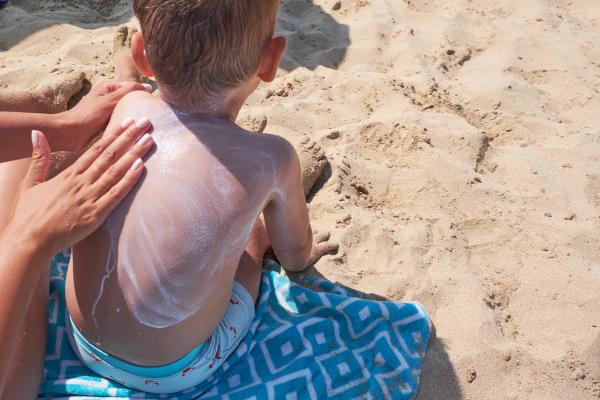
Applying sunscreen on child's back

To make sure your little ones have a safe and healthy summer, consider these tips from Public Health.
  • Apply sunscreen of at least SPF 30 before children go outside, and reapply every two hours, especially after swimming or sweating.
  • Dress children in sun-safe gear, like wide-brimmed hats, sunglasses and light clothes that cover the arms and legs to protect their skin.
  • Use a bug spray with DEET to keep the pests away, like ticks and mosquitoes. Health Canada recommends using a product with less than 10% DEET for children under 12. DEET products should not be used for children under 6 months (at this age, consider a mosquito net).
  • Make sure children drink lots of water, and take breaks indoors or in the shade so they don’t overheat.
  • Keep an eye on children at play and step in when needed to avoid injuries. If your child does injure themselves, see a healthcare provider to ensure proper care and treatment.

Learn more from Caring for Kids

Tips for Tick Safety

Image
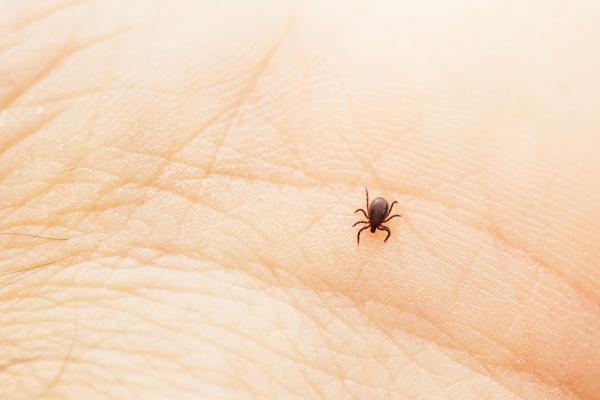
Tick in a hand

Here are some tips from Public Health to prevent tick bites and tick-borne illness:

  • Wear long pants and long sleeves in areas likely to have ticks, and tuck your pants into your socks.
  • Use bug spray containing DEET or Icaridin (ages 6 months and older). Follow directions on the package carefully.
  • Check children, pets and yourself for ticks after spending time outside.  
  • Carefully remove ticks with tweezers or a tick remover. Clean the bite with soap and water or an alcohol-based hand sanitizer. Note when and where on the body the bite occurred.
  • Nova Scotia is home to several kinds of ticks, but only blacklegged tick bites can cause illnesses like Lyme disease, Anaplasmosis, Babesiosis and Powassan virus.
  • In most cases, a tick carrying the bacteria that can cause these diseases must attach and feed for at least 24 hours before bacteria can be transmitted. To have a tick identified, visit eTick.ca.
  • When to contact a healthcare provider or pharmacist:
    • You believe a tick has been attached to you for 24 hours or more.
    • You develop symptoms of disease after finding a tick on your body, or you have recently been exploring outdoors (e.g., a rash [sometimes shaped like a bull’s eye], fever, fatigue, muscle aches, joint pain and headaches).

Learn more about tick safety from the Department of Health and Wellness

Tips for Safe Summer Activities and Travel

Image
Family of four biking together wearing helmets

Here are some tips from Public Health on how to enjoy summer activities and travel safely.

  • Wear a helmet while using active equipment like bicycles, scooters, dirt-bikes, roller blades and skateboards. Make sure helmets fit properly before you buy them.
  • Buckle-up while road-tripping. Wearing your seatbelt is a legal requirement, and may save your life in an accident.
  • Take care to install and use children’s car seats and boosters correctly - get the details.
  • Never leave a child or pet alone in a hot car.
  • Take care to avoid distractions while driving. Find helpful tips.
  • If travelling internationally, be sure to plan immunizations ahead of time, like measles, yellow fever and others, if needed - Find out more.
  • Check for Travel Health Notices at your destination so you can take precautions.

Tips for Heat and Air Quality

Image
Woman drinking cold water

Here are a few tips from Public Health on how to breathe easy in high heat, especially when an air quality alert is issued.
  • Stay inside, close your windows and doors, and use fans to circulate air in your home.
  • Head to a cooling centre or a public place with air conditioning, like a mall or a library.
  • Check on loved ones who live alone, are elderly or are living with disabilities.
  • Drink lots of water to regulate your body temperature and ensure you don’t become dehydrated.
  • Check Environment and Climate Change Canada’s Local Air Quality Index and Heat Warnings for conditions in your area.
  • Smoking is bad for you but also for others around you. Avoid smoking indoors and make sure when you smoke outdoors that you are away from others, particularly young children.
  • Extreme heat and lack of rain can lead to forest fires. We all have a role in preventing wildfires – learn more at Firesmart Canada

Tips for Blue-Green Algae

Image
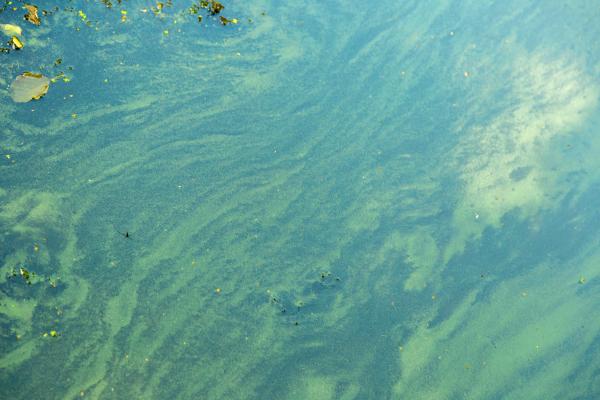
Blue-green algae in a pond

Here are a few tips from Public Health on what to do if you encounter blue-green algae this summer.

  • Pay attention to Blue-Green Algae Alerts for freshwater lakes, especially in warmer weather.
  • Do not swim or ingest water where blue-green algae is present.
  • If you come in contact with blue-green algae, wash yourself and any items that came in contact with it. Seek medical attention if you feel sick afterward.
  • If your pet ingests blue-green algae, contact a vet immediately.

Tips for Preventing Animal Bites and Rabies

Image
Raccoon on a fence

Here are a few tips from Public Health to prevent animal bites and related sickness.

  • Call your healthcare provider or Public Health right away:
    • If you are bitten by a wild animal, like a raccoon, fox or bat.
    • If you come in contact with a bat without gloves or other protections.
  • Vaccinate your pets for rabies, and get their booster doses on schedule. Family pets can also transmit rabies if they are infected, so seek medical attention if you are bitten by a pet.
  • Teach children never to feed or touch wild animals, even if they seem friendly or tame. If there is a wild animal in your home that you cannot safely remove, call animal control.
  • Do not try to care for wild animals who appear sick, injured or are orphaned, as they may be carrying diseases, including rabies. Contact your local Department of Natural Resources office for assistance.
  • Securely close garbage cans and green bins so you don’t attract wild animals.
  • Learn more about Rabies from the Department of Health and Wellness

Tips for Safer Substance Use

Image
Person holding a naloxone kit

If you plan to use substances or alcohol while travelling or attending an event, like a concert of festival, Public Health recommends the following precautions to reduce your risk.

  • Don’t drive under the influence. Have a sober designated driver or alternate transportation, and store alcohol or substances in the trunk while in transit.
  • Have a buddy nearby when using substances, and carry naloxone in case of emergency. If a friend appears ill after using a substance, stay with them and call for help.
  • Avoid mixing substances such as alcohol, cannabis and other drugs. The results can be unpredictable and dangerous.
  • If you choose to use drugs from an unlicensed source, it is important to know that they can be laced with other toxic substances. To stay safer, test them before using if you can.

Find other great tips for safer substance and alcohol use.

Your Park Prescription from Public Health

Image
Older couple walking in the park

Here is why Public Health is issuing you a ‘Park Prescription’ this summer.

  • 90% of adults say they’re happier when they spend time outside. Mental health, concentration and mental clarity are all possible side-effects of a Park Prescription.
  • Increasing your time spent in nature can reduce your risk of developing illnesses like heart disease, diabetes and high blood pressure. It can also reduce stress and inflammation in people with COPD.
  • Active transportation is one way that you can get exercise this summer. Walking, bicycling, rowing and running are all great ways to get where you’re going, and feel better doing it.

Learn more at www.parkprescriptions.ca

©2025 Nova Scotia Health Authority. All rights reserved.