
The HealthADAPT Project
Central Zone Public Health is working on a four-year project funded by Health Canada, called HealthADAPT. Its purpose is to help us understand how climate change affects the health of people living in Central Zone – especially those most at risk.
The project will gather health and climate data, informed by community voices, to support ways in which communities, healthcare providers and decision makers can better prepare for climate related health impacts and emergencies. As the project continues, this site will share study findings, reports, maps and practical advice for people in living in Central Zone and across Nova Scotia – because climate change affects all of us.
This research is in partnership with Dalhousie University and guided by an advisory group including the Department of Health and Wellness, the Department of Environment and Climate Change, Halifax Regional Municipality (HRM) and West Hants Regional Municipality (WHRM).
Central Zone is located in Sipekne’katik, which includes Kijipuktuk, HRM and WHRM.
Image

The views herein do not necessarily represent the views of Health Canada.
We want to connect with you!
If you want to learn more about this project, or are an organization serving local communities in HRM or WHRM, please reach out to us at czhealthadapt@nshealth.ca.
Your Health and the Climate
Climate change refers to changes in weather over time caused by human activities like burning coal, oil, and gas, as well as other activities that harm ecosystems and the health of our planet. The World Health Organization calls it the biggest threat to health in the 21st century. These changes are affecting communities across Canada and around the world.
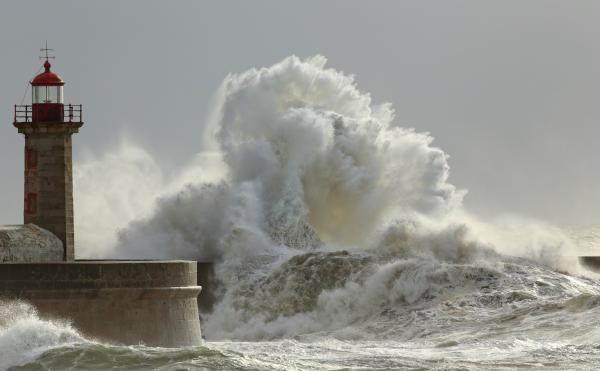
In Central Zone, we are already seeing the impacts of climate change. Intense hurricanes, floodings, hotter summers and increased wildfire smoke have become more common.
Image

Quick facts about Nova Scotia and the climate
Sea level rise and coastal erosion is a serious climate problem for Central Zone, which has urban and rural coastlines. Nova Scotia has almost 13,300 kms of coastal land.
Extreme weather events are putting increased pressure on emergency and health services across the province. Disruptions to health systems and healthcare workers are happening more frequently (i.e., power outages from storms, road closures from floods, injuries and illness from heat and wildfires).
Image
Nova Scotia has the highest rate of Lyme disease in Canada. Rising temperatures and changes in rainfall amounts are allowing insects like ticks, and diseases they carry, to spread at a faster rate across the province.
Image

The climate can affect our health in many ways
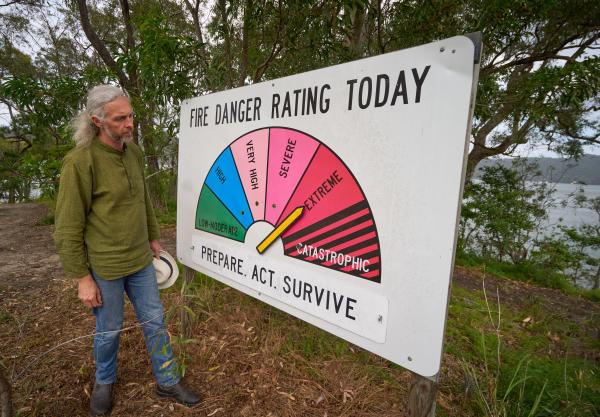
Hotter temperatures, bad air quality, stronger storms, and changing patterns of insects like ticks are affecting communities now. Some examples of health impacts include: Heat stroke, breathing problems from wildfire smoke, damage to homes from storms, higher rates of Lyme disease, and stress.
Public Health is working to understand how health and climate are linked. For example, how climate affects things like access to food, illness, mental health, and air and water quality. Through this understanding, Public Health can better advise and recommend actions to help reduce harms and support people and communities to adapt.
Image
Not everyone is affected equally by climate change
Some people face greater risks, such as:
- Older adults
- Infants and children
- Indigenous Peoples
- Pregnant women
- People in low-lying and coastal areas, including fishing communities
- People who work outdoors in hot climates
- People with disabilities and/or chronic conditions
- People with lower incomes
- People without stable housing
Image

Climate solutions: What can I do to help?
Climate solutions can have great benefits for health and wellness. Communities that adopt climate solutions find improvements in air quality, physical activity, and mental health.
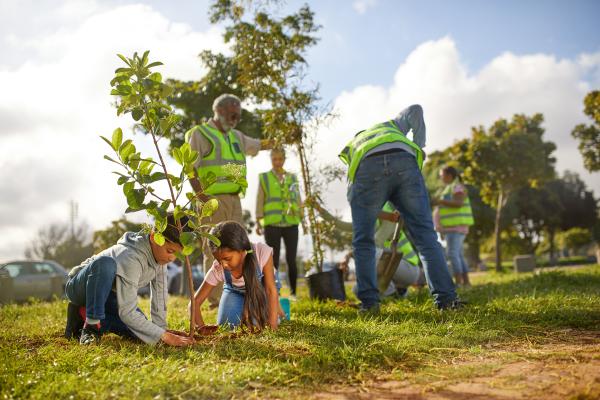
Everyone has a role to play. Small actions and collective effort can build stronger, more resilient communities. For example, taking the bus, carpooling, or biking can make a difference.
Volunteering or attending climate events with an environmental organization, or planting more trees and flowers native to Nova Scotia. Changing our activities and decisions now can make our communities a better place to live.
Eat more plant-based foods. Eating more plant-based foods (e.g., tofu, legumes, nuts, seeds) and less meat is better for the environment. Plant-based foods usually need less land and water to produce.
Image
Get informed. Understand the risks and what you can do to protect you and your family’s health from climate impacts such as extreme heat, outdoor air quality, Lyme disease, and flooding.
Be prepared. It is important to be ready for future events like wildfires, flooding, ice storms, or other events that can impact your home or lead to power outages in your neighbourhood. Find steps you can take from HRM and the Government of Canada.
Take care of your mental health. The effects of hotter temperatures, trauma from weather events, anxiety about the future or the loss of homes and jobs have all been found to impact mental health. Finding local community resources and groups to connect with can provide support and help build resilience.
Strong communities are more resilient. Supporting one another, like checking in on friends and neighbours during or after weather events, helps reduce harm.
Image

Climate and health resources
Helpful alerts
Local resources
- Voluntary Vulnerable Persons Registry - Self-refer if you need extra supports in an emergency
- Support for People with Disabilities or Medical Conditions
- Shelter Nova Scotia
- Climate Change in Nova Scotia
- Climate Cafe events by Healthy Minds Co-operative
- HalifACT: Acting on Climate Together
- Halifax Public Libraries - Climate Action
- Ecology Action Centre
- How We Thrive – Climate Connections
Health and wellness resources
- Our Well-being in a Changing Climate: A Wellness Toolkit
- Provincial Mental Health and Addictions Crisis Line - 1-888-429-8167
- Kids Help Phone - 1-800-668-6868 Text CONNECT to 686868
- 211 - Find assistance with food, housing, healthcare, employment and more
- 911 - Emergency services
- 811 - 24/7 non-emergency health advice
Climate and emergency preparedness resources