Winter Health and Safety

From fresh snow to favourite sports, winter truly is one of the best times of the year. But along with the fun, winter also brings unique health and safety challenges we should all be ready for. Here are some helpful tips from Public Health to keep your winter in Nova Scotia safe, healthy, and enjoyable.

Holiday Food Safety

  • Keep raw meat in the fridge if you plan to cook it within a day or two, and freeze any extra.
  • To avoid cross-contamination, prepare raw foods separately from cooked or ready-to-eat foods.
  • Keep hot foods hot and cold foods cold.
  • To ensure food is safe to eat, don’t leave it out of the fridge for more than two hours.
  • Use leftovers from the fridge within two to three days, or freeze them for later.

Learn more great food safety tips from Canada.ca

Image
A cooked holiday turkey

Respiratory Health and Wellness

Respiratory illness season has landed in Nova Scotia. We’re seeing an increase of influenza, COVID-19 and RSV in the province, as well as the common cold virus. Here are a few tips to help you get through it:

  • If possible, stay home when you feel unwell, especially if you have a fever, new cough or trouble breathing.
  • Keep your flu, RSV and COVID-19 vaccines up to date if you are eligible.
  • Wash your hands regularly with soap and water or use alcohol-based hand sanitizer.
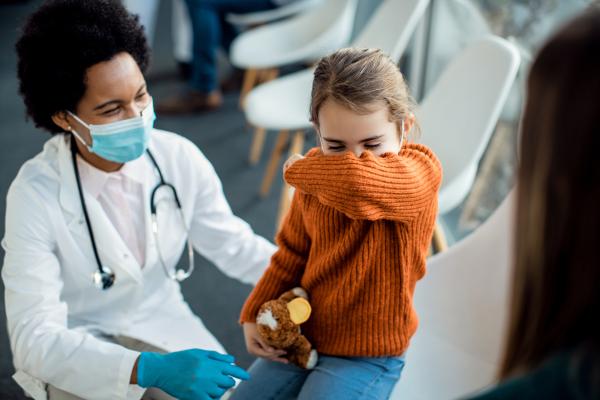
  • Cover coughs and sneezes with your sleeve or a tissue, and throw tissues away after use.
  • Improve airflow by opening windows when possible or using exhaust fans to bring in fresh air.
  • Consider wearing a mask in crowded indoor spaces or when visiting people at higher risk (seniors, infants and those with other illnesses).
  • Clean high-touch surfaces such as doorknobs, stair railings and shared devices (remote controls, computers, phones) with a cleaner/disinfectant.
  • Seek medical care or call 811 if you have trouble breathing, chest pain, confusion, or worsening symptoms.

Staying Active in the Winter

It’s that time when new year’s resolutions fade and the winter blahs set in.  Our bodies and moods may be signaling that we need to move more in the day.  We could all use extra inspiration or help to be physically active and spend time outdoors. Here are some tips for how to stay active this winter.

  • Spend time outdoors to boost activity and connection. Being outside naturally encourages movement in other areas of our lives — whether playing with kids, doing active chores, walking, or enjoying seasonal activities. The payoff? Better mental and physical health, plus a stronger sense of connection and less isolation.
  • Take a free online health and wellness class offered by Nova Scotia Health. Through ‘HealthyNS,’ healthcare professionals lead many sessions about varied topics that support building healthy habits.
  • Join a Take the Roof Off Winter event. Many Local communities participate in this annual campaign, offering challenges with prizes, events and programs to help people of all ages and abilities to do outdoor recreation. Check your local recreation department for information.
Image
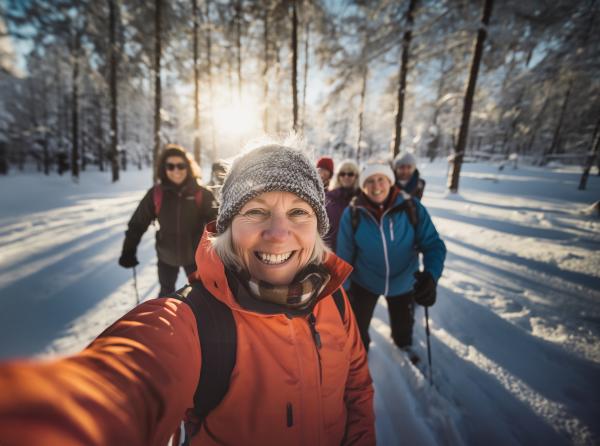
Friends take selfie in the snow

Car Seats and Winter Clothes

Winter layers can make car seats tricky! Keep little ones warm and safe with these quick cold‑weather car and booster seat tips.

  • Bulky winter clothing is unsafe in car seats. Snowsuits, puffy coats and bunting bags can compress in a crash, making the harness too loose and increasing the risk of injury.
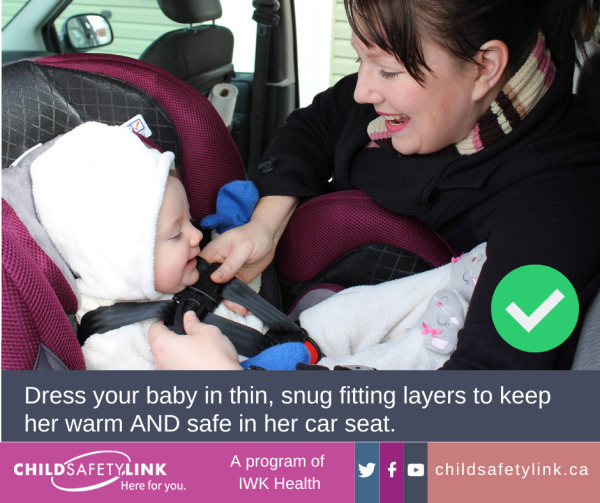
  • Dress children in thin, snug layers under the harness. Use fleece and other slim layers, plus hats, mitts and boots. Add blankets over the straps once your child is buckled, or put their coat on backward over their arms to help them stay warm.
  • Bulky coats can change how the seat belt fits. For older children in booster seats, unzip coats so the lap belt stays low on the hips and the shoulder belt fits snug across the chest.
  • For infants, only use covers that go over the car seat. Avoid inserts or padding not provided by the manufacturer. A shower‑cap style cover can help keep babies warm.

Preventing Germs in Your Home

Keep your home safe from germs! Here are a few tips to help keep you and your household germ-free at home:

  • Wash hands with soap and water when arriving home, before preparing food, eating, and after using the bathroom.
  • Encourage children to wash their hands regularly and show them how.
  • Keep hand soap and a clean towel that is washed often, or clean cloths at every sink.
  • Clean high-touch surfaces such as doorknobs, light switches, and phones regularly with a cleaner/disinfectant.
  • Encourage everyone to cover coughs and sneezes with their sleeve or a tissue.
  • Keep sick children home from school and daycare if they have fever, vomiting, diarrhea or uncontrolled cough.
  • Avoid sharing items like drinking glasses/bottles, utensils, lip balm and vaping devices.
  • Open windows briefly to let in fresh air when possible.
  • Keep cleaning supplies, tissues and masks available at home in case someone becomes ill.
Image
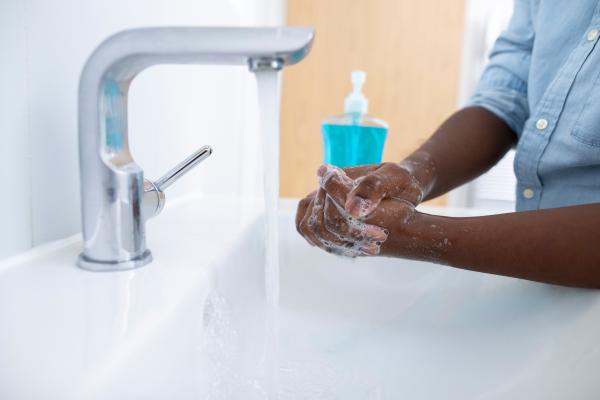
A boy washing hands with soap and water

Preventing Head Injuries During Winter Activities

Winter comes with many recreation and sport activities to help us resist hibernating. Ice skating, ice sledging, tobogganing and fat-tire cycling are just a few activities that help our physical and mental health. Here are some tips for enjoying your favourite winter activities safely and preventing injuries. 

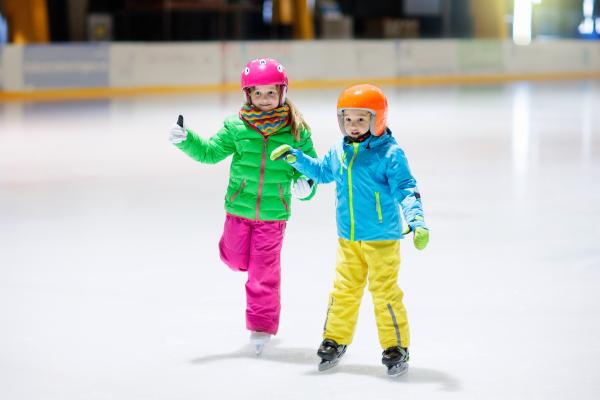
  • Wearing a proper helmet can prevent head injuries and help you have a good experience. Helmets are the law for downhill skiing, snowboarding and road cycling. Helmets are also recommended for ice skating, ice sledging and tobogganing.
  • Different activities call for different types of helmets. There are multisport, hockey/skating, downhill and cycling helmets. Choose helmets certified by CSA, ASTM or Snell. Check if your local recreation facility lends helmets if you don’t have your own.
  • Helmets need to fit well to protect well. Choose the size that touches the sides, back, front and top of your head. It should have a snug, stable and level fit. Shake your head from side to side and front to back; the helmet should not move around. Helmets for kids under age five protect the back of the head more.
  • Use the “2V1” rule to properly adjust your helmet. The helmet front edge should rest about two fingers’ width above the eyebrows. Side straps should fit snugly around each ear in a “V” shape with its buckles under the ear. Buckle the chin strap and tighten it until one finger fits between the strap and chin. 
Image
Children ice skating wearing helmets

Child Safety Link Video – Helmet Safety for Kids

The “2V1” Rule

Safe Outdoor Play in the Cold and Snow

Outdoor play in the winter is great fun, but there are extra steps parents should take to ensure safe playtime in the snow and cold. Here’s a few great tips from Public Health’s “Loving Care” series:

  • Dress your child warmly for outdoor play. This means a coat, hat, mittens, socks, boots and layers of warm clothing underneath.
  • If your child gets wet outdoors, go indoors as soon as you can. Remove the wet clothes, put on dry clothes, and help your child warm up.
  • Use sunscreen, even in the winter. Children can get a sunburn from the light reflected off the snow.
  • Your child should always wear a properly fitted helmet when skating or sledding. A hockey helmet is recommended for both, and a ski helmet can also be used for sledding.
  • Never let your toddler sled alone. An adult should always go on the sled with a child under age 5. Use a sled made for more than one person that is easy for you to steer and stop.
  • It can be too cold for safe outdoor play. Have your child play indoors if the temperature is below -25 or if the wind chill is below -28.
Image
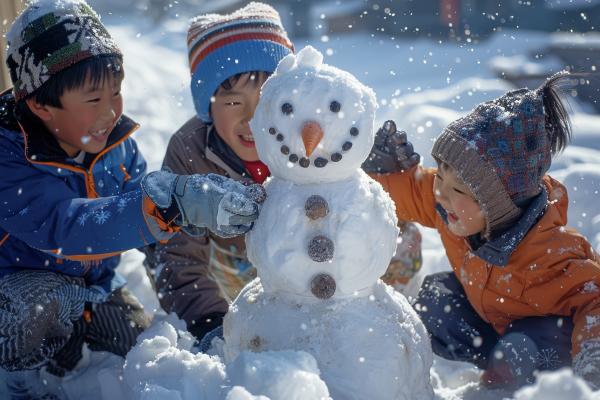
Children making a snowman

Find more seasonal safety advice for parents.

Staying Connected During the Winter Months

Winter is here and with it comes new challenges in staying active and socially connected to our community and each other. 

For many people, the shorter days and colder weather can make it difficult to get outside, engage in usual activities, and interact with family, friends or neighbors. This can lead to feelings of loneliness and isolation that have a profound impact on overall health and well-being. Feeling like we have close, positive and supportive relationships with others is an important contributor to overall health and wellbeing at every stage of life. 

Here are some tips for strengthening social connection this winter.

Tips for individuals:

  • Consider virtual connection. If face-to-face visits with friends, families or neighbours are not possible, consider a phone call, video call, or group chat.
  • Consider joining a group with shared interests, spending time outdoors with others or connecting through the simple act of reaching out and checking on one another.
  • Take part in community events and activities that bring people together to share, celebrate and engage in culture, arts and recreation.

Tips for communities:

  • Work to remove barriers to participation and access so that everyone can enjoy activities that foster social connection. Consider factors such as varied abilities, cost, location, equipment, timing or childcare.
  • Offer multiple ways to participate in opportunities and events (for example, in-person or virtually).
  • Create accessible and inclusive spaces where everyone feels safe and welcome. 
Image
People enjoying an outdoor event in the winter

Norovirus and Winter Vomiting Illness

We all get sick, and the “winter vomiting illness” is all around us. If (or when) this sickness gets to your home, here are a few tips to reduce the spread.

  • Wash your hands often with soap and water, especially after using the bathroom and before preparing food.
  • If you don’t have access to a sink, use an alcohol-based hand sanitizer with 70% alcohol content and then wash at next possible opportunity.
  • Anyone who is vomiting and/or has diarrhea should stay home from work, school or childcare, if possible.
  • Do not prepare or serve food for others while you are sick.
  • Thoroughly clean floors, counters and bathrooms with appropriate cleaners. Pay attention to surfaces that are often touched. If disinfection is required, use products that contain bleach. Wash soiled/dirty laundry right away on the hottest setting that is safe for the fabric.
  • Offer small sips of fluids to prevent dehydration, especially for young children and older adults.
  • Call 811 or your healthcare provider if you are worried about dehydration or if symptoms are severe or getting worse.
Image
Woman sick on couch with stomach virus

Cold Weather Affects the Way Our Bodies Process Alcohol and Other Drugs

When we’re cold, our bodies slow down: heart rate, breathing, and blood circulation all drop. That means drugs—especially depressants like opioids (oxycodone, morphine) or benzos (Valium, Xanax, Ativan)—can feel stronger, hit faster, or last longer than expected. The risk goes up even more if someone is using alone or outside. If you found yourself in trouble out in the cold, would someone find you?

A few ways to stay safer this winter season:

  • Start low and go slow.
  • Use a small amount to see how it goes.
  • Avoid using alone (or call NORS: 1-888-688-6677).
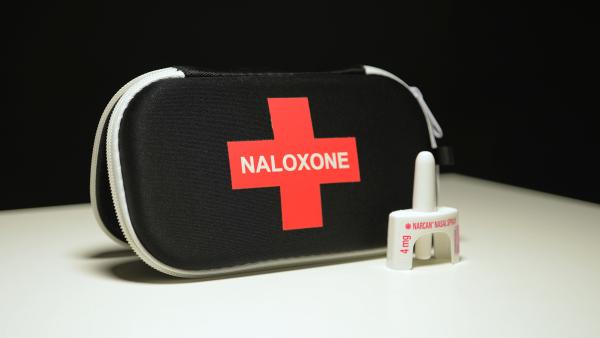
  • Keep naloxone warm and accessible—it can freeze.
  • Make a safety plan with a friend if you’re using outdoors or in an isolated spot.

Learn more about harm reduction

Learn about the Take Home Naloxone Program

Learn about Canada’s virtual safe consumption program, NORS (National Overdose Response Service) or call when you’re using alone (1-888-688-6677).

Image
Naloxone kit and nasal spray

Feeding Your Baby in an Emergency

Infants are especially vulnerable during emergencies. Here’s how to keep your baby fed and safe in the event of a winter storm, power outage or evacuation.

Breastfeeding  

  • Continue breastfeeding in emergencies. Breastmilk is always safe and ready, even without power or water.
  • Learn how to hand express milk in case of a power outage. Hand expressing milk does not need electricity, special equipment, or sanitization other than a clean container and washed hands. 
  • Keep frozen breastmilk cold. Before a storm, make sure your freezer is extra cold and full. If you need to leave home, pack milk tightly in an insulated cooler with ice packs 
  • Using frozen breastmilk. Thawed milk that still has ice crystals can be refrozen. If milk is fully thawed, use it within 24–48 hours. 

Formula Feeding  

  • Ready-to-feed infant formula is the safest option in an emergency. This is because clean equipment and safe water are not needed to prepare it.  
  • Prepare an emergency kit with supplies you need. If you are mixing formula, use boiled or bottled water.
  • Always clean feeding items after every use. Wash bottles and nipples with soap and safe water (boiled, bottled, or treated). If you can’t clean them, use a disposable cup. 
Image
Mother breastfeeding infant

Learn more infant feeding emergency preparedness.

Winter Cold Can Increase the Risk of Overdose, Hypothermia, and Frostbite

Alcohol and drugs can impair our judgment, dull our sensations, and affect the body’s ability to regulate temperature. Drinking alcohol or using drugs like benzos or opioids can also make you more sensitive to cold and can increase your risk of an overdose.

Here are some tips to help keep you safe if you’re using in cold temperatures: 

  • Keep your body warm. Layer clothing before using.
  • Keep coats, gloves, boots and hats on when outdoors – even if you feel warm. Frostbite hits extremities first.
  • Wet clothes = rapid heat loss. Change socks whenever possible.
  • Know where you can warm up. Know the hours for warming centres, shelters, and other welcoming places.
  • Keep naloxone warm inside your clothes – it can freeze!
  • Start low and go slow. Our bodies slow down in the cold and that changes how alcohol and other drugs affect us.
  • Hypothermia and an overdose can look similar. If you’re worried: call 911 and give naloxone. It won’t cause harm.

Learn more about harm reduction

Learn about the Take Home Naloxone Program

Learn about Canada’s virtual safe consumption program, NORS (National Overdose Response Service) or call when you’re using alone (1-888-688-6677).

Image
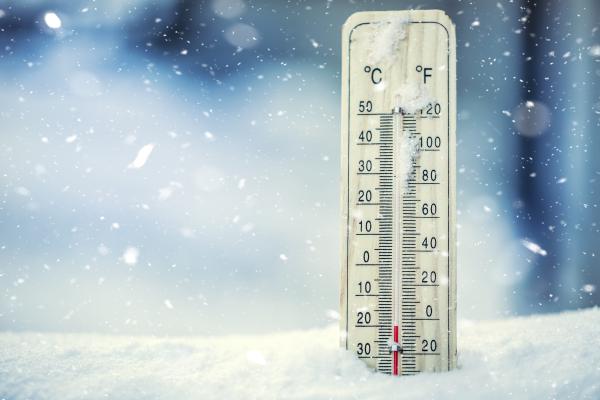
Very cold thermostat in snow

Winter Emergency Preparedness

Being prepared for a winter emergency can help keep you and your family safe and sound all season long. Here are some helpful winter emergency preparedness tips.

  • Be ready for power outages from winter storms. Have enough food for 3 days, working flashlights, charged batteries, and gas in your car.
  • Prepare your car for winter driving. Along with winter tires, a full gas tank and a charged phone, keep these things in your car: a first aid kit, flashlight, blanket, small shovel, sand/kitty litter, booster cables, extra windshield fluid, scraper/brush, and warm clothes.
  • Use generators safely. Only use generators with proper safety labels, and have a qualified electrician set yours up properly. Unsafe generators can cause fires, electric shocks, or carbon monoxide poisoning.
  • If you have a disability or medical needs, keep mobility aid batteries charged and have at least 3 days of medication on hand. Make sure medicines can be stored safely if the power goes out.
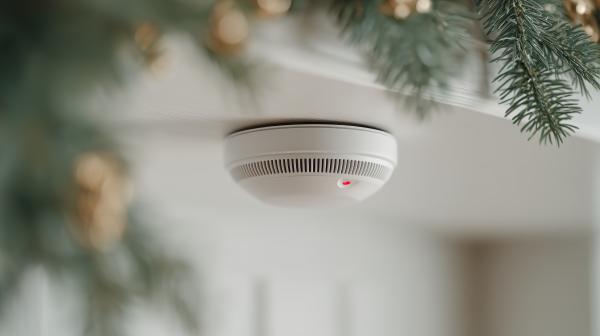
  • Every home needs at least one carbon monoxide detector. Check the batteries twice a year, at the same time you check your smoke detector.
  • Download the NS Alert App. This app gives important warnings about storms, floods, wildfires, and other emergencies. It also shares community notices, like water advisories. 
Image
Smoke detector

Learn more about emergency preparedness from the Red Cross.

©2025 Nova Scotia Health Authority. All rights reserved.