6 min read
Posted
Wednesday, November 19, 2025
at 12:44 PM AST
Posted by
Categories
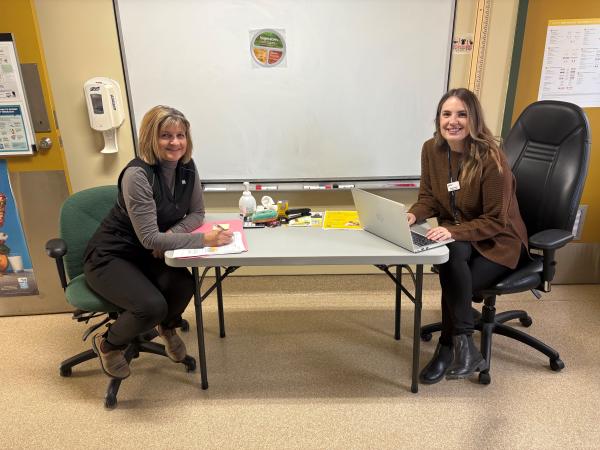
Cape Breton diabetes educators Alice Murphy and Natasha Osmond are helping make diabetes care more accessible and easing the workload for family doctors and nurse practitioners in Cape Breton. Guided by compassion and teamwork, they’re dedicated to making care smoother and more supportive for every patient they serve.
Alice, a registered nurse since 1987, began her career in cardiology before finding her calling in diabetes management more than two decades ago. “There’s so much more to diabetes than meets the eye,” she says. “I enjoy how the field is always changing and evolving.”
Her colleague Natasha, a registered dietitian since 2011, was inspired to pursue dietetics after seeing how nutrition education can improve people’s health and quality of life. She became a certified diabetes educator in 2018. “I realized many people in our area were struggling with diabetes management, and I wanted to make a difference.”
Together, Alice and Natasha are part of the North Sydney diabetes team, providing education, coaching and care for people living with all types of diabetes, from gestational and pediatric to Type 1 and Type 2.
Their days include everything from insulin pump training and nutrition counseling to medication education and virtual follow-ups. They also mentor students and support other clinicians pursuing insulin dose adjustment certification.
Empowering patients through Insulin Dose Adjustment certification
Earning Insulin Dose Adjustment (IDA) certification has been a key step for Alice and Natasha in providing more timely, individualized care.
Within Nova Scotia Health, diabetes educators can safely and independently adjust insulin doses when they are IDA-certified and have an established collaborative relationship with the patient’s physician or nurse practitioner.
The IDA certification has evolved significantly since its introduction in 2002, with the latest update in 2025 reflecting major advancements in diabetes care, including continuous glucose monitoring, insulin pump therapies and newer insulin formulations.
Certification is available in four content areas: adult, pregnancy, children and adolescents, and insulin pump therapy. Alice and Natasha are certified in all four, and they see all these groups at their clinic.
“Many people struggle with understanding their medications or knowing how to use insulin properly,” says Natasha. “Patients would often start insulin and stay on the same dose for long periods while waiting for their next appointment. As IDA-certified diabetes educators, we can make changes right away, follow up closely and monitor results quickly.”
By tailoring insulin doses to each patient’s individual needs, educators can help minimize complications like hypoglycemia and improve overall blood sugar management. “Even though most people start on the same dose, everyone’s needs are different. Being able to adjust the plan to match the individual helps them feel better and stay healthier,” says Alice.
Lightening the load for primary care providers
In addition to benefiting patients, IDA certification also helps primary care teams manage their workload more effectively.
“Since our centre has IDA-certified diabetes educators, we can start insulin and make weekly adjustments ourselves,” says Natasha. “That means fewer appointments for family doctors and nurse practitioners and faster access to care for patients.”
The team works closely with physicians, nurse practitioners and family practice nurses, often collaborating in real time to ensure timely treatment. Their clinic also includes a nurse practitioner who supports patients without a family doctor.
Making a difference, one patient at a time
For both Alice and Natasha, the most rewarding part of their work is seeing the difference it makes in patients’ lives.
“When patients come in, we can troubleshoot and make adjustments right away,” says Alice. “They leave feeling more confident and comfortable managing their diabetes.”
After more than 20 years in diabetes education, Alice has watched her patients diagnosed as children and followed their care into adulthood. During that time, she’s seen treatment options evolve as well. “It’s been amazing to watch how technology and new approaches like this have made diabetes safer and more manageable,” she says.
Natasha enjoys being able to work with a varied population and helping each patient find small but meaningful ways to improve their health. “Whether through supportive conversation, nutrition counseling or giving tips on lessening the burden of managing this chronic disease, each encounter can be meaningful,” she says.
Looking ahead
Both Alice and Natasha hope to see more diabetes educators across Nova Scotia become certified in IDA and insulin pump therapy, strengthening access to care across the province.
As of October 2025, there are currently:
• 82 clinicians at Nova Scotia Health and IWK Health certified in IDA for adults
• 37 clinicians at Nova Scotia Health and IWK Health certified in IDA for pregnancy
• 42 clinicians at Nova Scotia Health and IWK Health certified in IDA for children and adolescents
• 49 clinicians at Nova Scotia Health and IWK Health certified in IDA for insulin pump therapy
“We’d love to see enhanced collaboration between family practices and diabetes educators, more mental health supports for people living with diabetes, and better coverage to reduce financial strain,” says Natasha. “Ultimately, we just want people in our communities to have an easier time managing diabetes and accessing the care they deserve.”
Photo of (L-R) Alice Murphy and Natasha Osmond.