4 min read
Posted
Tuesday, November 18, 2025
at 11:43 AM AST
Posted by
Categories
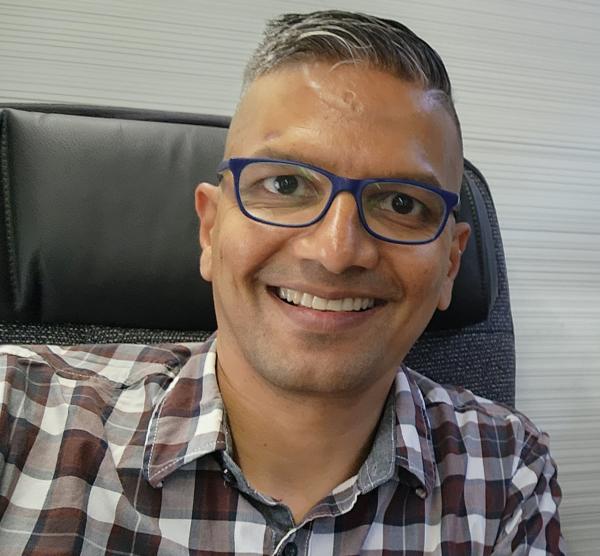
As an internal medicine physician at Colchester East Hants Health Centre, Dr. Kris Srivatsa has long been a strong advocate for responsible antibiotic use. He believes antimicrobial stewardship (AMS) is a cornerstone of patient safety and quality care.
“We’re seeing more and more ‘superbugs,’ bacteria that are resistant to our usual antibiotics,” says Kris. “When patients develop these infections, they can become very ill. It increases both morbidity and mortality in our communities.”
He explains that antimicrobial resistance often stems from the overuse of antibiotics in both hospitals and the community. “One of the best ways to slow the development of resistant bacteria is to use the tools we already have wisely. Antibiotics are powerful, but they must be used appropriately,” he emphasizes.
Kris has been involved in antimicrobial stewardship efforts for many years, including as part of the AMS Committee at the Truro hospital, a multidisciplinary group established during the creation of Nova Scotia Health’s AMS framework.
“Our team of physicians, pharmacists, nurses and others reviewed antibiotic use within the hospital, especially broad-spectrum agents, to determine whether prescriptions were appropriate or could be stepped down to narrower options,” he explains. “This collaboration helps ensure antibiotics are used effectively and responsibly.”
Beyond formal committees, Kris continues to serve as a resource for colleagues across disciplines. “It’s not just about physicians and pharmacists. Everyone, from nurses to physiotherapists, benefits from understanding how antibiotics are used and when they’re needed. These conversations help build awareness across the entire healthcare system.”
When it comes to preventing resistance, Kris believes public understanding plays a critical role. “Many people feel that antibiotics are harmless or that they’ll help with any infection, but that’s not always the case,” he says. “Colds, sinus congestion, and many respiratory symptoms are often viral, not bacterial. They usually improve with rest, fluids, and symptom management, not antibiotics.”
He also points out the risks of unnecessary antibiotic use, including Clostridium difficile (C. diff) infection, which can cause serious illness, particularly in older adults and those with weakened immune systems. “Every antibiotic carries risk. We want to make sure we’re using them only when the benefits clearly outweigh those risks.”
Kris also explains that antibiotic development has slowed significantly in recent decades, making stewardship even more vital. “There isn’t a constant pipeline of new antibiotics being discovered.”
With global travel and interconnected communities, resistant bacteria can spread faster than ever before. “Something that emerges in another part of the world can reach our province within days,” he cautions. “We all need to remain vigilant.”
Thank you, Dr. Srivatsa, for your dedication to patient safety and for championing antimicrobial stewardship across Nova Scotia Health.
World Antimicrobial Awareness Week (WAAW) is an annual global campaign held from Nov. 18–24 to raise awareness about antimicrobial resistance (AMR) and promote the responsible use of antimicrobials. This initiative is part of World Antimicrobial Awareness Week.
Antimicrobial resistance occurs when microbes develop the ability to resist the medications that once effectively treated them, making infections harder to cure and increasing the risk of disease spread, severe illness, and death.
Nova Scotia Health is dedicated to promoting the safe and effective use of antimicrobials and supporting efforts to combat antimicrobial resistance through education, awareness, and stewardship initiatives.
Photo of Dr. Kris Srivatsa.