4 min read
Posted
Friday, March 13, 2026
at 4:22 PM ADT
Posted by
Categories
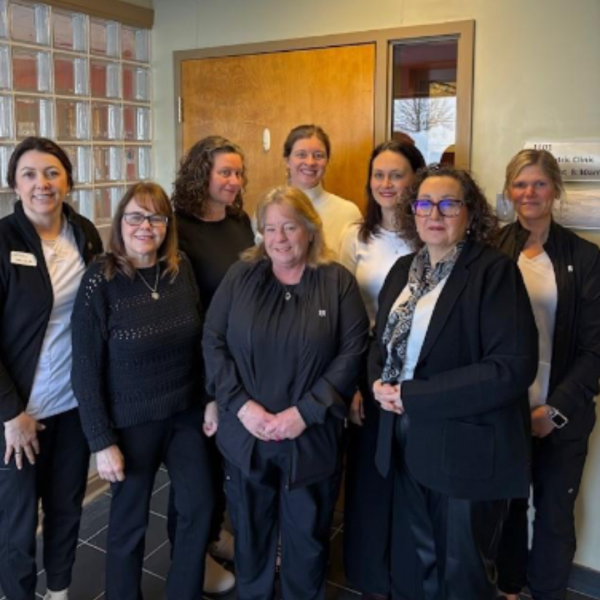
Just steps away from Cape Breton Regional Hospital in Sydney, the Geriatric Medicine and Memory Disability Clinic is a place where conversations are changing lives.
Inside this Nova Scotia Health clinic pharmacist Ellen Penny spends part of her days doing something that may sound simple, but can be transformative: she reviews medications with her patients, mainly seniors.
For many older adults, that review can be the turning point between decline and stability, between isolation and independence.
As with other geriatric clinics across the province that care for patients over 65, many of the patients referred to the Sydney clinic live with frailty, memory changes or complex medical conditions. It’s not uncommon for them to be taking ten, fifteen—even more—medications.
Sometimes a medication prescribed to help with one issue creates side effects—dizziness, drowsiness, confusion, digestive problems and more. A second medication is then added to manage those side effects. And then another.
“It can become a vicious cycle,” Ellen says.
The team received close to 1,000 referrals last year from primary care providers. The clinic has seen a substantial growth in demand and expects even more referrals this year.
A key part of care at the clinic is medication optimization. Patients are asked to bring all their medications—prescriptions, inhalers, creams, vitamins, herbal products and over-the-counter items to their appointment. During a comprehensive review, Ellen examines what each medication is doing, whether it’s still needed, and whether it may be contributing to symptoms.
“Medications can help us in many different ways,” she explains. “But It’s important to weigh the benefits and risks over time.”
According to research shared by the Canadian Medication Appropriateness and Deprescribing Network one in 10 hospital admissions in older adults is related to a medication side effect. Reducing unnecessary medications can help prevent emergency department visits, reduce falls, and in some cases delay or prevent long-term care placement.
Ellen says some of the most powerful moments in her work come from simple adjustments.
“I feel I have the best job,” she says. “I have time to sit with patients and create a plan.”
In one case, a patient struggling with urinary incontinence was living in constant discomfort, staying home more, and facing financial strain due to the cost of supplies. After reviewing their medications, Ellen identified medications that were contributing to the problem. Adjusting the prescription made a significant difference.
“It was an amazing change in someone’s life based on something so simple,” she says.
By helping patients understand potential side effects and empowering them to ask questions, Ellen sees her patients’ confidence return and their quality of life improve.
Safe medication use begins with awareness and open communication.
Ellen encourages older adults and caregivers to:
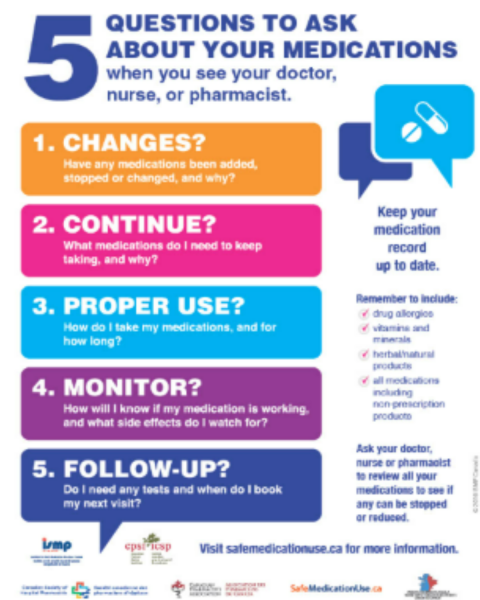
“Medication overload means taking more medications than we need—or medications that together cause more harm than good,” she says. “Sometimes medications that were once necessary can be reduced or stopped safely.”
For Ellen, the work is deeply rewarding. Aside from the patients she sees in her clinic, she also attends community events and gives information sessions.
“When you give patients the knowledge to understand what’s happening in their body, you see the difference right away,” she says. “Those conversations can truly change lives.”
To learn more about Nova Scotia Health’s Geriatric Medicine Clinics visit this webpage: Geriatric Medicine Clinic | Nova Scotia Health.