4 min read
Posted
Friday, November 13, 2026
at 5:22 PM AST
Posted by
When Dale developed a serious infection after getting thorns lodged in his toe from rosebush, he went for a CT scan to find out what was happening. The scan revealed something unexpected – reduced blood flow to his feet caused by years of smoking.
"If my foot hadn’t been infected, I never would have had the CT scan and I never would have ended up meeting Dr. Jessula.”
Dr. Jessula scheduled Dale for angioplasty of the leg arteries - a minimally invasive procedure that involves placing a stent in narrowed vessels to improve blood flow to the legs and feet.
Leading up to Dale’s surgery, Dr. Samuel Jessula, vascular surgeon (surgeon who specializes in surgeries involving blood vessels) at Nova Scotia Health QEII Health Sciences Centre, Directory of Quality, Division of Vascular Surgery, and Director of Research, Division of Vascular Surgery, at Dalhousie University’s Department of Surgery, spoke to him about risks that smoking presents for those having surgery, including poor wound healing, infections, blood clots and pneumonia.
"Smoking cessation is one of the most important modifiable risk factors we can address before vascular surgery,” says Dr. Jessula. “Dale’s commitment to his health helped reduce his surgical risk and prepared him for a smoother recovery.”
“I smoked for 58 years and never seriously tried to quit,” says Dale. “Every time I saw a doctor, they would tell me I needed to quit smoking. But when Dr. Jessula explained that I may lose a foot or a leg, or my life, it really hit home.”
The conversation with Dr. Jessula changed everything. Dale quit smoking the day after his surgery and never looked back. His wife also decided to quit smoking that same day, and the two have supported each other throughout the change. Since quitting, Dale has noticed improvements in his daily life.
“After surgery, my wounds healed quickly. Now that I’ve been smoke-free for a couple of months, I can smell much better, taste food much better and, more importantly, I’m breathing much better.”
“Simple chores like doing the dishes used to leave me out of breath. I’d have to sit down and take a break. Since I’ve quit smoking, I haven’t had to do that.”
Quitting smoking is a critical step in helping vascular patients prepare for surgery and recovery. For patients like Dale, quitting smoking can help improve lung and heart health during and after surgery, help grafts work better, lower the chance of another surgery, help wounds heal faster, and help reduce pain after surgery.
Behind Dale’s experience are broader, coordinated efforts by vascular care teams to improve surgical outcomes. These efforts include participating in the Society for Vascular Surgery Vascular Quality Initiative (SVS VQI), a surgical quality registry program which allows them to track patient outcomes and continually refine care practices to support the best possible outcomes for their patients.
Led by Dr. Jessula, Nova Scotia Health’s VQI team works with healthcare providers to identify areas to support patients and develop key programs and initiatives to help them prepare for and recover from vascular surgery. This includes the smoking cessation program. For Dale, this comprehensive, team-based approach made all the difference.
“I found Dr. Jessula to be an excellent surgeon,” says Dale. “He’s easy to talk to, very thorough, and always asks if there’s anything else he can help with.”
Today, Dale continues to stay smoke-free, focusing on his recovery and long-term health. He hopes his story will encourage others who are facing similar challenges.
For free support to quit smoking or vaping, including counselling and access to quit aids, visit Nova Scotia Health’s Stop Smoking Program: mha.nshealth.ca/en/stop-smoking-program.
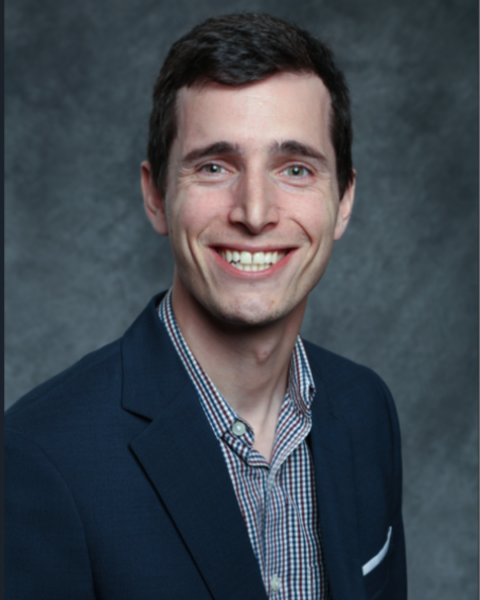
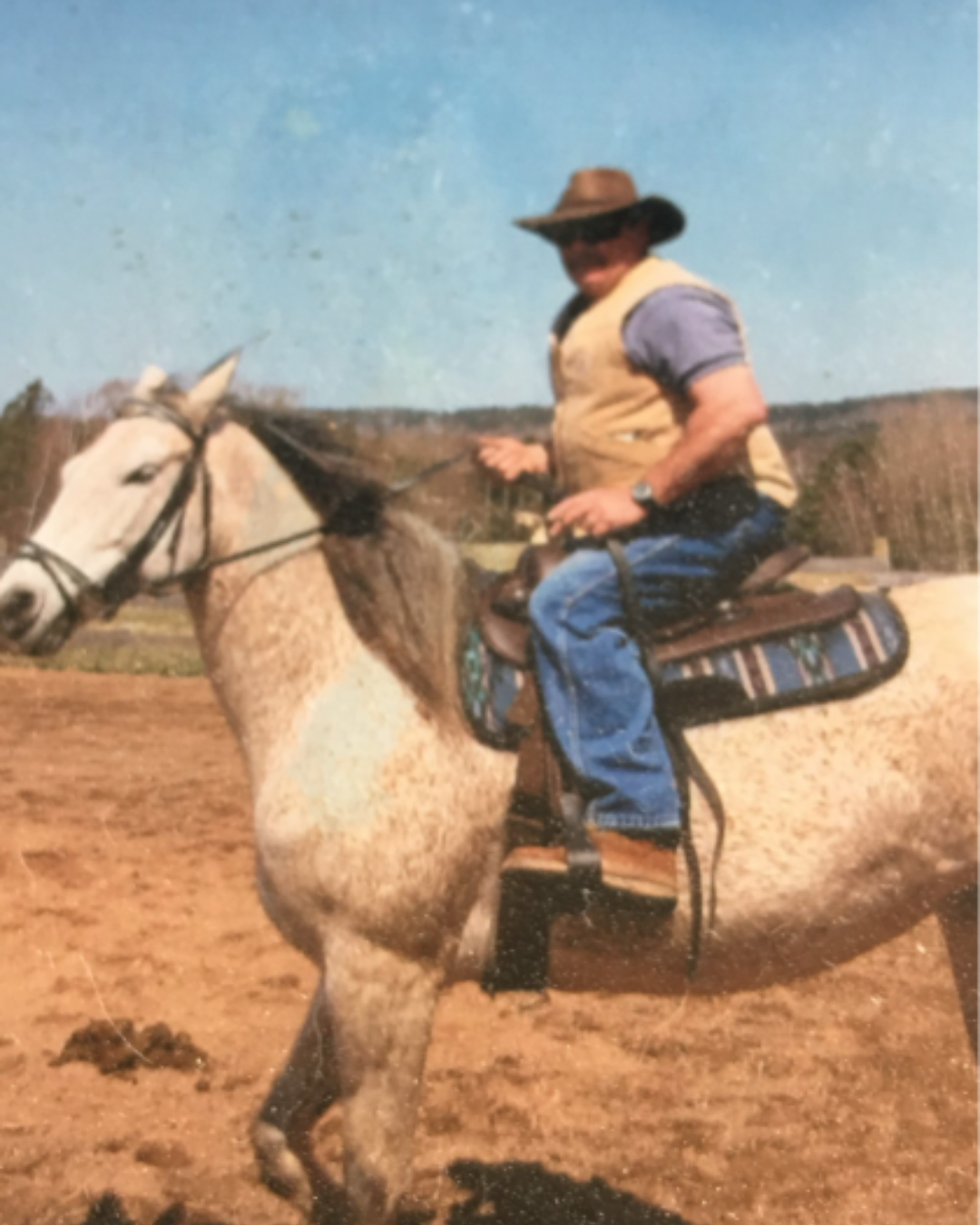
Photos of (1) Dale Keating and (2) Dr. Samuel Jessula.