Image
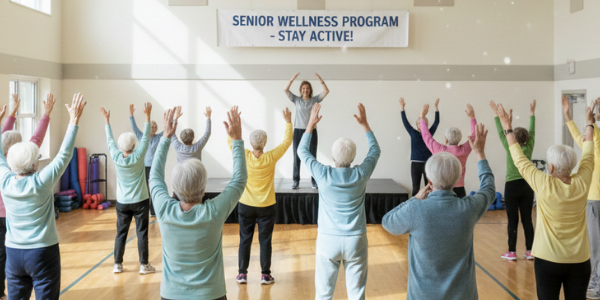
Living with frailty affects many older adults and can lead to poorer health. It means the body is not as strong and has a harder time recovering from illness or stress.
Getting older doesn’t always mean someone will live with frailty, but as we age the chance of having several health problems increases, which can lead to frailty.
Things that can contribute to frailty include:
When someone is living with frailty, even small illnesses – like the flu – can cause a sudden and serious change in their health.
Older adults living with frailty:
It’s important to remember that frailty is not the same as aging. Some older adults are very healthy and strong, while those living with frailty are at a higher risk for decline in their health, including death, than what is expected based on age alone.
People living with frailty often have three or more of these five signs:
Frailty can make everyday tasks -- like bathing, dressing or cooking – more difficult. The person may need some extra help to live at home.
Frailty can also lead to:
Frailty can often be prevented and may even improve with the right care and support.
Staying Active
Regular activity helps you stay strong, mobile and independent. Activities that build muscle, improve balance and increase your heart rate are especially helpful.
It’s never too late to start—people in their 80s and 90s can still gain muscle strength. Exercise can slow or even reverse early frailty.
Sleep also matters. Adults over 65 still need 7–8 hours of sleep each day.
Getting vaccinated
As we age, our immune system becomes weaker. Vaccines are safe and can protect you from infections that may lead to hospitalization.
Adults should receive:
Regular hearing and vision checks also help prevent falls and other health problems.
Reviewing your medications
About one in four Canadian adults over 65 take 10 or more medications. Some may no longer be needed, while others might cause side effects like confusion, dizziness or poor nutrition.
Ask your healthcare provider to review all your medications regularly — including prescriptions, vitamins and the-over-the-counter products.
Staying connected
Loneliness can be harmful. People who feel socially isolated have a higher risk of early death, high blood pressure, depression and dementia.
Staying socially active can improve your mood and help prevent frailty. Try:
Eating enough healthy food
Food is like medicine. As we get older, our bodies need more of certain nutrients and getting good nutrition can lower your risk of frailty and help you stay well for longer.
This information is based on the Canadian Frailty Network’s AVOID Program for Healthy Aging.
Learn more: AVOID Frailty – Program for Healthy Aging
Download: Canadian Frailty Network Avoid Frailty Brochure
Frailty can lead to health problems that cause longer hospital stays. Unfortunately, being in the hospital can sometimes make frailty worse. Older adults (65+) may:
Older adults with frailty are:
At Nova Scotia Health, we take a Home First approach. Evidence shows that healing happens better at the place you call home. Home First is more than a philosophy, it's about:
We start planning for your discharge home as soon as you are admitted to the hospital. Our goal is to connect you with the right community resources to support your recovery, independence and quality of life outside of the hospital.
While in hospital, getting up, dressed and moving has many benefits. It can help you recover faster and stay strong. Each day, you will be expected to move around as much as you can. Take part in your care, like washing or getting dressed and try to get out of bed for all three meals. This helps to prevent blood clots, build strength and improve breathing.
Your care team will support you to stay active to help you keep up or rebuild your strength and independence.
Learn more about some of the things you might expect from the time you enter hospital (get admitted) to the time you leave (get discharged) on the What to expect when you need hospital care page.
The Early Mobility Program helps patients stay active by supporting them to walk every day with a member of the mobility team while they are in hospital.
Staying mobile in the hospital can help people maintain their strength and return to the place they call home sooner.
Once home from the hospital, you can recover better when you are in a comfortable place with familiar routines, family and access to community support. This can enhance your physical and emotional recovery and more choices and preferences to help you get back to your daily routine.
The Early Mobility Program helps patients stay active by supporting them to walk every day with a member of the mobility team while they...
Nova Scotia Health's new health information system will continue to roll out beginning November 14th, 2026, at all facilities in the Northern, Eastern and Western Zones.

During this time of transition to a better patient-record system, our teams will keep working to get you the care you need.

You may notice staff in coloured vests and t-shirts helping our care teams adapt to the new system.

We appreciate your patience and understanding.
Learn MoreMuch of Nova Scotia's healthcare program and service information is now available on the YourHealthNS mobile app. Download for free on the Apple Store and Android Apps for Google Play.