4 min read
Posted
Thursday, October 1, 2026
at 11:26 AM ADT
Posted by
Categories
When older adults come to the emergency department at Dartmouth General Hospital, their needs often go beyond the medical reason that brought them there.
That’s where the hospital’s Seniors’ Care Team steps in. The team looks at the whole person and works to help them stay healthy and return to the place they call home as soon as they are able.
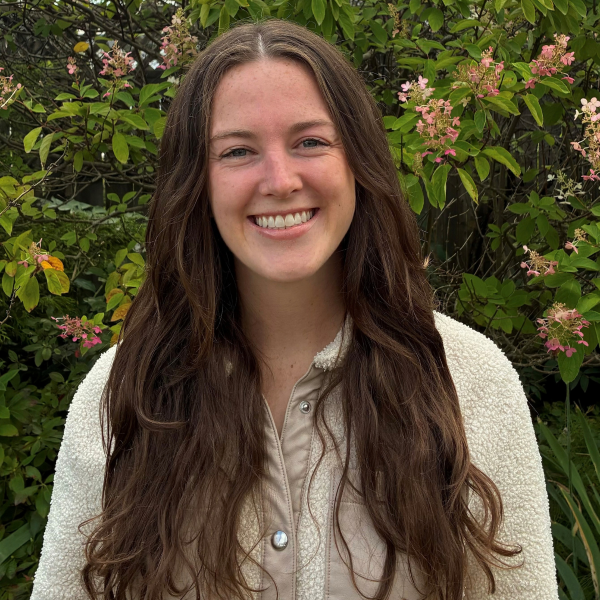
Larissa White, an occupational therapist with the Seniors’ Care Team at Dartmouth General Hospital, is proud to be part of that effort.
“I always wanted to work in healthcare and find some way to support others,” says Larissa.
“A lot of the time, people come to the emergency department because of one immediate concern,” she explains. “Our team looks at the bigger picture. We want to understand what challenges they may be experiencing at home and what matters most to them.”
Larissa assesses a person’s ability to manage everyday activities such as dressing, bathing, cooking and moving around their home. She often completes home visits, which provide valuable insight into daily routines and potential barriers to independence.
“The most rewarding part of my work is helping people regain their ability to do the things that are important to them,” says Larissa. “Whether it is through equipment, support from others or practical strategies, seeing someone become more confident and independent is incredibly meaningful.”
Introduced about a year ago as a pilot at four regional hospital emergency departments across the province, Seniors’ Care Teams support adults 65 and older. The teams bring together a range of healthcare professionals, including occupational therapists, recreation therapists, exercise physiologists, physiotherapists, pharmacists, social workers, care co-ordinators from Continuing Care and nurses. Together, they assess patients’ needs and create co-ordinated plans to help them return home sooner.
Research has shown that hospital stays can sometimes be challenging for older adults, increasing the risk of complications such as physical decline and delirium. Helping people recover in the place they call home can lead to better health outcomes and quality of life.
“Many of our clients live with frailty and are facing challenges at home,” says Larissa. “Our team works together to reduce risks and help them stay independent and living at home longer."
By identifying risks and putting supports in place sooner, the team can often prevent avoidable hospital admissions and future emergency department visits. The Seniors’ Care Team's collaborative approach benefits patients and the health system by improving patient health outcomes and helping them remain in the place they call home. This, in turn, creates more capacity within our hospitals to help other patients.
Working alongside other team members allows for a more complete understanding of each patient’s needs. Information is shared quickly, concerns are discussed together and care plans are developed as a team. The result is more co-ordinated, person-centred and timely care.
Since this model was introduced as a pilot at Dartmouth General Hospital in November 2025, the Seniors’ Care Team has assessed 589 patients and completed 415 home visits as of the end of September.
“Our goal is to understand the whole person and help them live as independently as possible,” says Larissa. “We work closely with families, primary care providers and community partners to make sure everyone has the information they need to help ensure care is continuous, and nothing falls through the cracks.”
Photo of Larissa White.