5 min read
Posted
Wednesday, May 27, 2026
at 12:00 PM ADT
Posted by
Categories
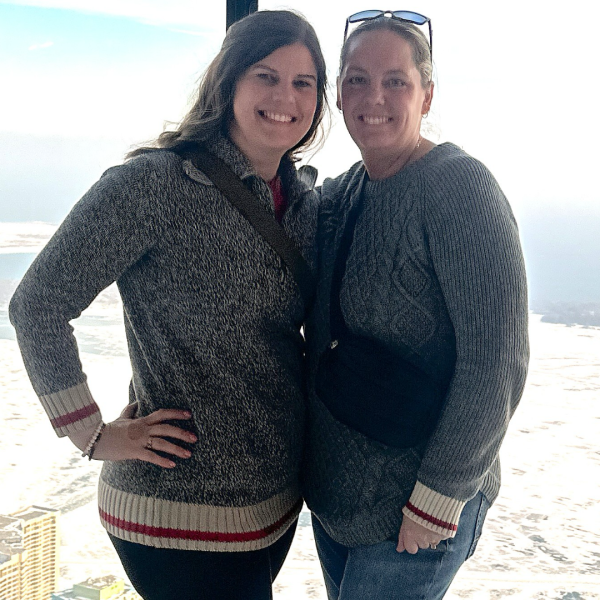
Two Nova Scotia Health nurses in Toronto for a high school hockey tournament say instinct and frequent CPR training helped them save the life of a referee who collapsed in cardiac arrest inside a busy multi pad arena earlier this year.
Best friends’ Terri Arnold and Melissa Hines are colleagues and children’s nurses at Kentville’s Valley Regional Hospital.
They were in Ontario with Hines’s daughter for a hockey tournament.
The pair was standing in line for coffee inside a North York arena when they heard shouts for help.
“Then someone yelled out asking if there were any doctors or nurses,” said Hines. “We shuffled closer and went right into the room.”
This all happened at around 10 a.m. on Feb. 5.
Inside the referees’ change room, they saw a man lay unresponsive on the floor. A younger referee was attempting chest compressions. Hines and Arnold stepped in and took over. The two nurses began rotating compressions while arena staff secured an automated external defibrillator (AED).
The referee, George Harrison, 68, said he felt a bit of queasiness before collapsing. Harrison has been a referee for more than 50 years, averaging up to 20 games per week in his free time. He’d never experienced chest discomfort before.
“I dropped my granddaughter at daycare and was running late,” explained the Stoney Creek, Ontario resident and retired tax auditor. “I rushed into the rink, went to the referee’s room and then to the washroom. My stomach felt a little strange. That’s the last thing I remember. I never made it to the ice.”
Compressions continued and, once the AED was in place, Harrison was shocked at least three times. Paramedics arrived and continued CPR, administered medications and delivered additional shocks before preparing to transport him. Harrison drifted in and out of consciousness.
As the paramedics took over, the nurses stepped back, gave a brief report and helped clear space for the stretcher.
Both Hines and Arnold say the scene was surreal. Although they are trained in CPR, their work typically involves infants and not adult cardiac arrests in crowded sports facilities.
“In hospital, you’re thinking about the next steps, such as IVs and medications, but none of that was there,” Hines said.
But their training kicked in. Nova Scotia Health requires quarterly resuscitation training, which includes handson practice with realistic mannequins. Both nurses say that training made a critical difference.
“When I first went in to do compressions, I felt ready,” Hines said.
Arnold said the training sessions helped her understand the force needed for adult compressions. “You just know you have to be aggressive,” she said.
Harrison was stretchered to a waiting ambulance. Arnold and Hines walked out of the change room, got food and then watched Hines’s daughter play in the tournament. The emotional impact came later when they learned Harrison survived without complications.
Harrison’s next memory after the stomach discomfort was waking up in the hospital while healthcare workers were removing his breathing tube.
Harrison underwent procedures to insert stents and eventually heart bypass surgery. “Two major blockages, one on each side (of my heart),” he said. “The surgery went well. I recovered quickly.”
Both nurses received messages from Harrison and his son.
“My son asked for the names and numbers of people who helped so he or I could reach out later to thank them for what they did. I texted Melissa and Terri about four weeks after the incident and I was shocked to hear that most people never reach out to offer thanks.
“Those two saved my life.”
Hines said Harrison wrote a long message thanking them. “He said the doctors and nurses were surprised he survived. His chances were quite low. Hearing that made me realize we actually did a really good job.”
The two also offered constructive feedback to the arena manager, for example, about storage of airway masks, which they believe could help in future emergencies.
The nurses say the outcome came down to timing: a witnessed collapse, immediate CPR, an AED close by and two trained professionals only steps away.
“Everyone was in the right place at the right time,” Hines said.
Harrison returned to the ice earlier this month.
This summer he plans to meet Hines and Arnold in Nova Scotia, take them out to dinner, and hear more about how they saved him.
“If they were standing in front of me, I’d thank them and give them a big hug,” Harrison said.
Photo of (L-R) Melissa Hines and Terri Arnold.