4 min read
Posted
Thursday, August 7, 2025
at 9:28 AM ADT
Posted by
Categories
They carry the wisdom of generations in their words, not in books.
Through stories, songs and sacred traditions, those coined “knowledge keepers” pass down the lifeblood of their culture, which are lessons etched in memory, not ink. As guardians of oral history, they know when to speak, when to listen and when silence itself is a teaching.
Mary Desmond, secretary of Upper Big Tracadie Seniors Action Club, said the idea of a knowledge keepers’ workshop in Guysborough County came from discussions following Emancipation and African Heritage Month activities and gaps in community awareness surrounding culture and traditions involving people of colour.
“They didn’t know about libation, or where Kwanzaa came from, or things like that,” Desmond explained. “I realized that and I thought, ‘I'm getting older, and it would be good to put together a little course for the younger ones, so they could learn about our traditions and culture, and carry them forward’.”
The Guysborough Community Health Board contributed just under $1,000 toward a weekend knowledge-keepers seminar.
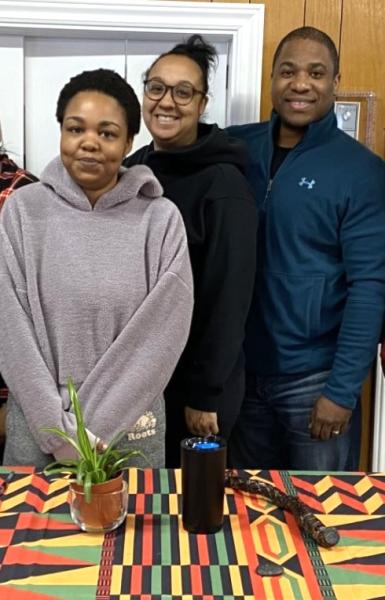
Desmond became de facto knowledge keeper, sharing her wisdom to about 10 people last spring in Upper Big Tracadie. She created a program and successfully applied for funding, believing correctly having knowledge is part of wellness.
Community health board wellness funds support non-profit groups working to improve health in their communities. Among other things, grants go toward programs that promote food security, housing, transportation and social participation. The goal is to reduce risks of poor health outcomes in Nova Scotia communities.
Desmond ran the course as a train-the-trainer style of program - teaching basics with the intent of learners becoming equipped themselves to teach others.
“If you're truly interested in your culture and traditions, I’ll give you the foundation, but you should be hungry enough to go out and learn the rest on your own,” Desmond said of her philosophy. “If you come across something you need help with or want clarification on, you can always come back to me. I’ll support you.”
Desmond said she’s happy to be a knowledge keeper and pleased to see broader interest.
“I just think it's important that we're practising African traditions and cultures,” she added, “and that young people are involved. Like I said, I’ve been doing this for years, but it’s really the younger generation we need to bring in. They’re the ones coming up, and they need to know these things now so they can carry them forward. Our role is to give them the basics. They should be eager enough to want to learn the rest. We don’t need to give them the full plate — let’s see if they’re hungry enough to fill it themselves.
“I believe every community should have people who can do these things, who can teach and share. There’s a lot of healing that needs to happen, especially in African diasporic communities.”
The knowledge keepers idea reflects deep wisdom and strength found in Nova Scotia communities, said Dorothy Bennett, coordinator for the local community health board.
“As (Desmond) so beautifully puts it, we must give communities the chance to throw the pebble into the water and watch the ripples grow,” Bennett said. “Projects like this remind us of that cultural knowledge and connection are not only part of our heritage but also part of our health and well-being.”
Photo of some participants of the knowledge keepers workshop.