6 min read
Posted
Friday, May 1, 2026
at 12:00 PM ADT
Posted by
Categories
At a recent Nova Scotia Sisterhood-led mental health book club, a simple question sparked a powerful moment. While discussing Rest is Resistance, one of the group’s two book selections for the year, the community group explored the idea of a ‘third space’, a place outside of home and work where a sense of comfort and connection can grow.
The facilitator, Erika Dahr, asked participants to reflect on their own ’third space’ and, if they felt comfortable, share it with the group.
Without hesitation, many replied, “Here.”
For Erika, wellness navigator and recreation therapist with the Nova Scotia Sisterhood, it was a moment that stuck. “A third space is a place of belonging, and hearing Sisterhood named so naturally was powerful,” says Erika. “That was a wow moment for me. We’re creating something where people can truly feel at home in their community.”
And belonging matters. Especially for those facing barriers like food insecurity, unstable housing, financial stress or the layered impacts of racism and trauma. Erika’s role is to help navigate those realities, while also creating opportunities for healing through conversation, creativity or community in a safe space.
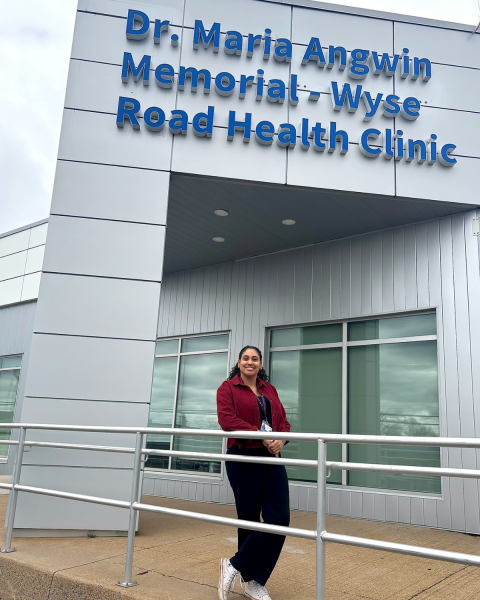
At the Dr. Maria Angwin Memorial Clinic, Erika spends her days walking alongside people as they navigate life, not just healthcare. Some days, that involves helping someone access food, housing or education. Other days, it means one-on-one chats or facilitating community sessions.
Her approach is flexible by design. Support might happen in the clinic, over the phone or in the community - wherever someone feels most comfortable. Because for many, stepping into a clinical space isn’t a comfortable first step.
That same thinking shapes her work in recreation therapy, a field many people aren’t familiar with, but one that quietly fills an important gap. Erika describes it simply: “It’s about helping people reconnect with what makes them feel like themselves again. It’s not just about staying busy, it’s about finding something that grounds you, something that gives you purpose and connection.”
She remembers working with one community member who was trying to stay sober while moving through the court system. Together, they focused on what could fill the space that substance use once occupied. When he mentioned his interest in writing music, Erika helped connect him with the African Nova Scotian Music Association, where they could collaborate, share their story, and be around others who understood.
Another client praises Erika for her patience and willingness to help.
“She took the time to truly understand my needs and connected me with essential resources that helped stabilize my day-to-day living,” says Dartmouth community member Kate Mackinnon. “This included access to food, information on rent subsidies, and other critical services that eased pressures in everyday life.”
Connection is at the centre of everything Erika does. It’s also what drew her to this role.
Before joining Sisterhood, she worked in mental health and addictions, where she began to see clear gaps in how care was delivered, especially for Black and racialized communities. There were barriers that went beyond access, like systemic issues that left people feeling unseen, unheard and disconnected from care.
“A lot of what I do is making sure people feel heard,” she says. “And making sure that their needs don’t get lost in the system.”
Being part of an all-Black, women-led team has changed that experience for her, and for the community she serves.
“I can come to work and just be myself,” Erika says. “There’s a shared understanding here. We don’t have to explain certain things, we just get it. And that shapes how we show up for people.”
That intention carries through to programs Erika has helped build, like the Good Food Box and the Sisterhood’s mental health book club. These aren’t traditional healthcare services, but that’s the point. They create space for people to connect in a way that feels natural, over food, over conversation, over shared experience.
“My ‘third space’ is wherever my community is,” she says. “Walking into a place like the North Preston Community Centre, seeing familiar faces, people that look like you, and having people around you to laugh and connect with. That's what makes me feel grounded. And that’s what we’re creating at the Sisterhood.”
Erika is currently helping lead new programming, including an anger management group designed specifically for Black women, to explore and express emotions in a space where they won’t be dismissed or misunderstood.
In many ways, these programs turn Sisterhood into a ‘third space’.
“We’re not just supporting people through the system,” she says. “We’re creating spaces where they can feel seen, supported and connected, both to themselves and to their community.”
Kate reflected on Erika’s impact on her own wellness journey. “Her compassion, persistence, and knowledge turned what felt like an impossible situation into one where I could see a path forward. I am sincerely grateful for her dedication and the positive impact she has had on my life.”
Erika continues to grow programming based on community needs, including an upcoming virtual session, “What is Recreation Therapy” on May 7. The session will offer a chance to learn more about how recreation therapy supports wellbeing and how to get involved.
To register and receive the virtual link, contact NSSPrograms@nshealth.ca.
Photo of Erika Dahr, Wellness Navigator, at the Dr. Maria Angwin Memorial – Wyse Road Health Clinic.