4 min read
Posted
Thursday, November 6, 2025
at 11:51 AM AST
Posted by
They fired up the oven, rolled out tables and chairs and cooked free hot home-cooked meals for their community. The objective behind Sunnyville Community Association’s Eat, Drink and Be Happy program was to serve tasty food to people at the Sunnyville Hall and, for those who couldn’t attend, offer take-out orders.
Association vice-chairperson Sabrina Skinner pointed to the unique social isolation during the height of the COVID-19 pandemic as a catalyst for the program. Skinner sought to get people out of their homes and re-connected with community. “Everybody loves food,” she said. “Food is what would convince people to come out or be interested.”
Thanks to a cash infusion of about $3,000 from the Guysborough County Community Health Board, the program, which started last year, saw some venue and supply costs covered.
Community health board wellness funds support non-profit groups working to improve health in their communities. Among other things, grants go toward programs that promote food security, housing, transportation and social participation. The goal is to reduce risks of poor health outcomes in Nova Scotia communities.
The Sunnyville Community Association’s hall is located just outside of Guysborough, in the northeastern part of mainland Nova Scotia.
“We agreed as association members to give the hall some money because we did all the cooking there, which drove up the power bill,” Skinner said.
“We had to factor in the heat we were using too. Right now, we rely on oil heat but we’re working toward getting a heat pump. We are also looking to remodel our kitchen as it needs proper upgrades as well. We made do with what we had but the upgrades would help.”
Last fall, the association hosted preserve and pickling events, which involved sourcing local produce.
Over a dozen households got to enjoy mustard pickles, jams, chow, relish or the like.
It culminated with a get-together that created positive momentum for similar events. More preserves were bottled and delivered, meals were made and sent and, Skinner said, people began asking when the next events would be taking place.
“Even church members donated bottles for our preserves, saying, ‘If these help your community, take them.’ We never turned anyone away,” she added. “We never judged anyone. Even if someone just ate and left, that was fine.”
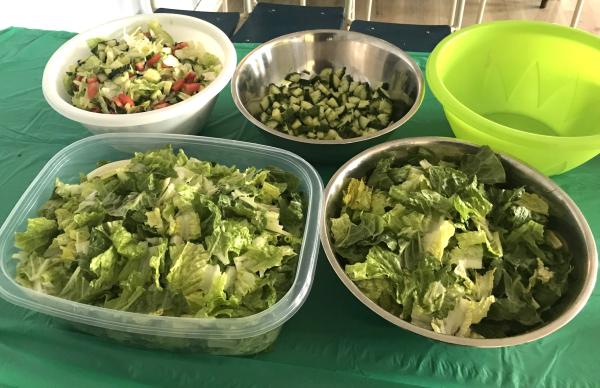
Some of the meals served by volunteers included lasagna, ham, beef, pork, chicken with rice, various vegetables, garden and caesar salads.
While the Eat, Drink and Be Happy program ended earlier this year, the association maintains regular social events to keep the community interested and engaged.
“Nothing ever went to waste,” Skinner explained. “It’s all about inclusion, health and bringing people back together. People were surprised, grateful and happy that someone thought of them enough to bring a meal.”
Skinner said the program mattered because food insecurity and generational participation in social activities are issues deserving wider attention.
“We believe that if we keep things going — keep people interested and invested — they’ll want to get out, get healthier and socialize,” she said.
Volunteers have made the difference in making the association’s efforts successful, she noted.
"That kind of dedication often goes unnoticed, and I don’t want anyone to think this all just happened by chance,” she said. “Without the volunteers behind it, this would have been a much greater struggle."
Photo of salad options arranged for one of the meals.