4 min read
Posted
Friday, April 10, 2026
at 11:20 AM ADT
Posted by
Categories
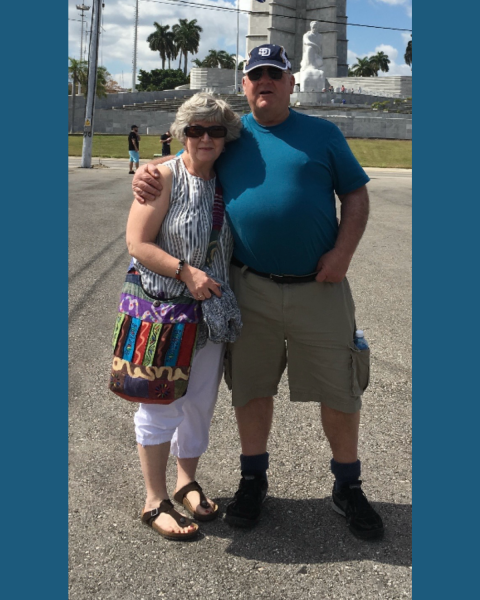
Amid heartbreak, Lynda Munroe made a choice that forever changed the lives of others.
After her husband Norman Munroe died following a stroke in November 2024, Lynda said yes to organ and tissue donation on behalf of Norman through Nova Scotia Health’s Legacy of Life Organ Donation Program and the Regional Tissue Bank. Norman’s two kidneys were successfully transplanted into two people, and his lungs and corneas were also donated, offering renewed health, hope and healing for others.
For Lynda, the decision was rooted in love, generosity and the importance of knowing what Norman would have wanted.
“It’s important to talk about organ donation with your loved ones,” she says. “Being able to communicate what your loved one would have wanted, who is no longer here, is a gift.”
Norman, who was in his 70s at the time of his passing, lived in New Glasgow with his wife Lynda, a retired nurse. He was a man of many interests and talents. He loved flying planes and photography, interests that gave him a unique view of Nova Scotia.
He captured that perspective in his many books he published of Nova Scotia communities and landscapes.

In many ways, Norman spent his life helping people see things differently—through the skies, through his camera lens and, ultimately, through the gift of donation.
For Lynda, that gift brought meaning during an incredibly difficult time. Her experience as a nurse gave her a deeper understanding of organ donation and helped guide her decision.
She hopes by sharing Norman’s story, more families will have conversations about organ donation before they are ever faced with that decision.
Her message is simple: talk about it.
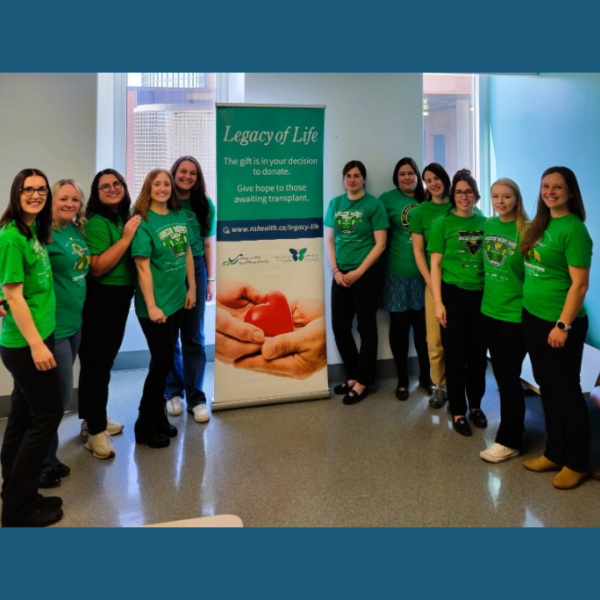
That message is one Chelsey Barron hears often.
As a family support liaison with the Legacy of Life organ donation program, Barron supports families with the donation process and helps guide them through the days, weeks and months that follow.
She provides emotional support, education and practical guidance – helping families navigate resources and even connecting interested donor families and recipients through anonymous correspondence and direct contact. In some cases, she stays connected with families for more than a year.
“Seeing how people change over time is rewarding—their resilience,” Chelsey says. “I meet them often during the worst day of their life.”
Chelsey says families waiting for organ and tissue donation need hope—and donor families who share their stories can help provide it.
“Sharing stories of donation matters because it helps people understand the impact one decision can have on so many lives,” Chelsey says.
Each year during National Organ and Tissue Donation Week (April 19–25, 2026), teams across Nova Scotia share stories like Norman’s to raise awareness and encourage conversations.
For Lynda, speaking about Norman and the choice to donate is one way to honour his life—and ensure his legacy continues.
For those helped by his donation, that legacy is life-changing.
Learn more about organ donation in Nova Scotia by visiting: Legacy of Life | Nova Scotia Health