4 min read
Posted
Monday, November 9, 2026
at 10:50 PM AST
Posted by
Categories
Antibiotics are important in treating infections but using them when they aren't needed can make them less effective over time. Making sure they're used properly takes teamwork, education and action.
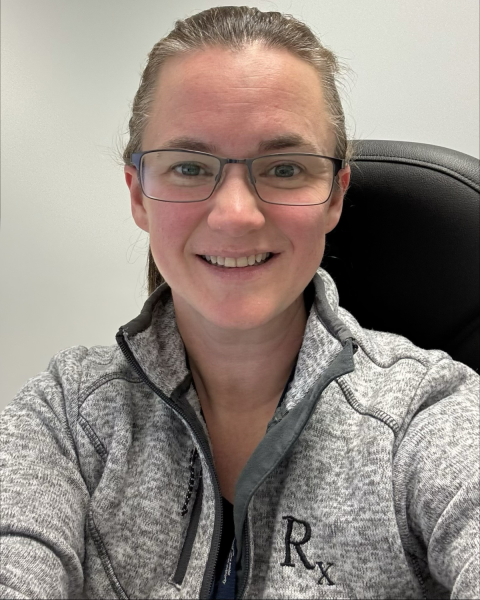
That's where Maureen Fitzgerald comes in.
As an antimicrobial stewardship pharmacist with Nova Scotia Health, Maureen helps healthcare teams choose the right antibiotics and improve how serious infections are treated. Through education and collaboration, she's helping strengthen patient care across Eastern Zone, and has contributed to a provincewide improvement that provides healthcare teams with guidance on treating serious bloodstream infections.
Her work reflects the theme of World Antimicrobial Awareness Week (WAAW) 2026, “One Health, one action: Prevent AMR now,” which highlights how everyone has a role to play in preventing antimicrobial resistance — when bacteria and other germs develop the ability to survive medicines used to treat infections.
Based at Cape Breton Regional Hospital, Maureen has worked with Nova Scotia Health since graduating in 2013. She began her career in critical care, spent approximately 10 years in orthopedics and transitioned into antimicrobial stewardship in 2025.
“I've always found infectious disease super interesting. I love a good puzzle,” she says. “Sometimes some of these infections really require jumping into the literature and thinking outside the box.”
In her role, Maureen reviews blood culture results from across Eastern Zone to help ensure patients receive appropriate antibiotics. She also supports pharmacists and other healthcare professionals navigating complex infections and treatment decisions.
One of her most rewarding projects has focused on improving care for patients with Staphylococcus aureus bacteremia (SAB), a serious bloodstream infection that can cause complications if not properly treated.
After identifying an opportunity to improve how the infection was being managed, Maureen partnered with fellow pharmacist Krista Tulkens, based at Antigonish Memorial Regional Hospital (formerly St. Martha's Regional Hospital), to develop a quality improvement initiative focused on education and practical support for healthcare teams.
Recognizing that healthcare providers may not encounter this infection frequently, they introduced in-person and virtual education sessions for pharmacists, physicians and nurses across Eastern Zone.
They also developed a checklist to help pharmacists remember important steps in treatment, including selecting appropriate antibiotics, conducting follow-up blood tests and checking for complications involving the heart.
With strong support from pharmacists across Eastern Zone, the initiative helped strengthen treatment practices and improve consistency in patient care.
The work also contributed to a provincewide improvement, with updated guidance added to blood culture reports across Nova Scotia. This provides healthcare teams with important information to help guide treatment decisions.
Maureen and Krista shared their work at Nova Scotia Health's Eastern Zone Quality Summit in June 2026, highlighting how education, collaboration and a shared commitment to improving care can lead to meaningful changes for patients.
For Maureen, using antibiotics wisely isn't just the responsibility of healthcare professionals. Everyone has a part to play.
“Not every infection requires an antibiotic,” she says. “While antibiotics are essential for treating some infections, they don’t work against viruses, like those that cause colds and the flu. Sometimes rest, fluids and time are enough to recover.”
Her message reinforces this year's World Antimicrobial Awareness Week theme: preventing antimicrobial resistance requires action from everyone. From healthcare professionals improving treatment practices to individuals understanding when antibiotics are needed, working together helps protect the effectiveness of these important medicines for future generations.
Photo of Maureen Fitzgerald.