4 min read
Posted
Wednesday, April 29, 2026
at 12:00 PM ADT
Posted by
Categories
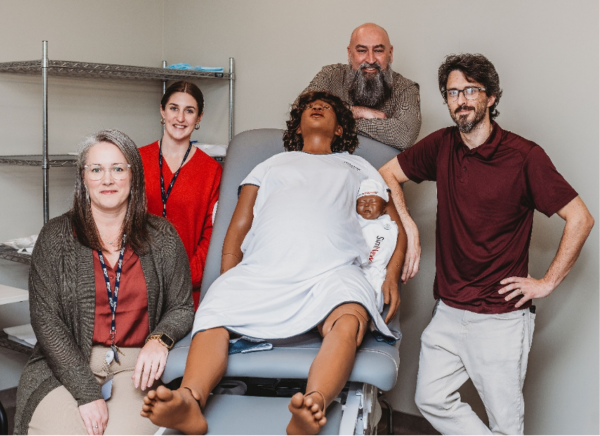
When the Highland Health Home and Learning Centre opened in fall 2025 in New Glasgow, it marked an important step toward expanding access to care for more than 3,000 Nova Scotians from the Need a Family Practice Registry. It also introduced something new to the province: a simulation lab purpose-built for primary healthcare.
“We’ve never had the chance to create a simulation lab in a new build here in the Northern Zone, so being involved right from the design phase has been a fantastic opportunity,” said Derek LeBlanc, manager of simulation learning for Nova Scotia Health’s Northern Zone. The Northern Zone encompasses the Colchester, East Hants, Cumberland and Pictou areas of the province. “Having a simulation space built specifically to meet the needs of the primary care providers and learners is a total game changer.”
Located within the clinic, the lab is designed to reflect the realities of family medicine and support hands-on learning in the same environment where care is delivered.
“We’ve built the full lifespan into the lab: adult, paediatric and infant patients,” said LeBlanc. “We focused on primary healthcare scopes of practice, not just high-acuity hospital care.”
The space includes patient simulators, which are life-sized manikins that can display a full range of human functions, including sweating, bleeding, and expressing pain. They are controlled in real time by a simulation specialist who can adjust the manikins’ bodily responses based on what is happening in the room. There are also task trainers, such as body parts and artificial wounds, that allow providers and learners to practice a wide range of clinical skills, from routine procedures to less common but important scenarios.
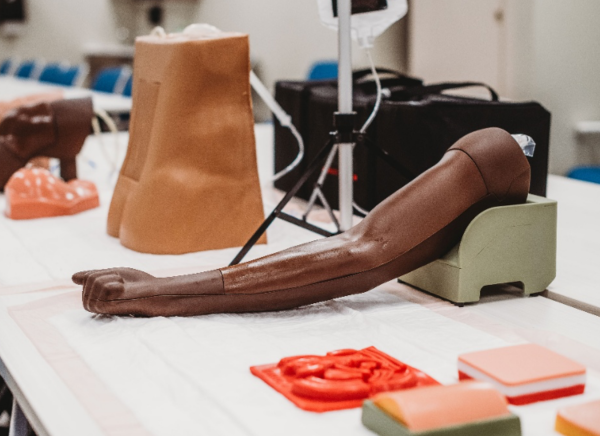
“It’s a great way to support ongoing learning and hands-on practice in a realistic, low-pressure environment,” said LeBlanc.
The lab supports both experienced providers and those in training, offering opportunities to practice skills, receive feedback and build confidence before working with patients.
“The most exciting part is the opportunity for our practitioners to keep their skills sharp and continue learning as new best practices emerge,” said Katy MacDonald, health services manager. “This lab will really support high-quality care.”
As a teaching clinic, the Highland Health Home and Learning Centre regularly hosts medical students, family medicine residents, nurse practitioner learners and other new health professionals. The addition of the simulation lab strengthens that role, creating more opportunities for team-based learning within a primary care setting.
“For me, one of the most exciting aspects of the new centre is the increased capacity to train family medicine residents,” said Dr. Brad MacDougall, family physician at Highland Health Home and Learning Centre as well as the North Nova Family Medicine site director, overseeing the recruitment, training and mentoring of medical residents in the area. “We know that residents are more likely to stay and practice in communities where they’ve trained, so this is a key step toward growing and sustaining our local physician workforce.”
“This new space will give us capacity to host more learners, offer new types of rotations, and create an environment where training happens right alongside real patient care,” Dr. MacDougall said.
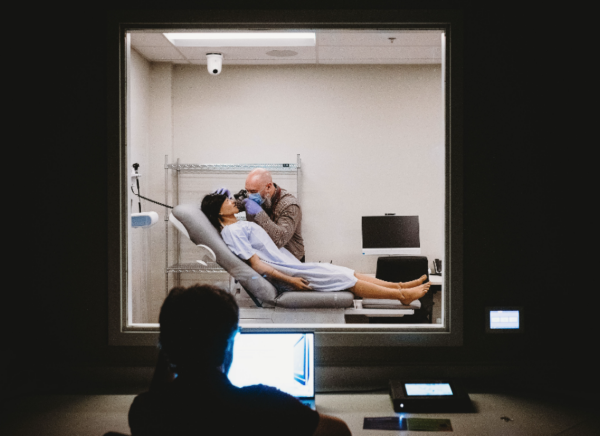
The simulation lab represents a broader shift in how primary care is delivered in Nova Scotia. The health home model emphasizes team-based, coordinated care and the Learning Centre provides a space for interdisciplinary teams to learn and train together in that environment. For patients, this means care from providers who are comfortable working as a team, learning from each other and practicing best approaches together, so care feels more consistent and well-coordinated at every visit.