4 min read
Posted
Monday, December 22, 2025
at 9:52 AM AST
Posted by
Categories
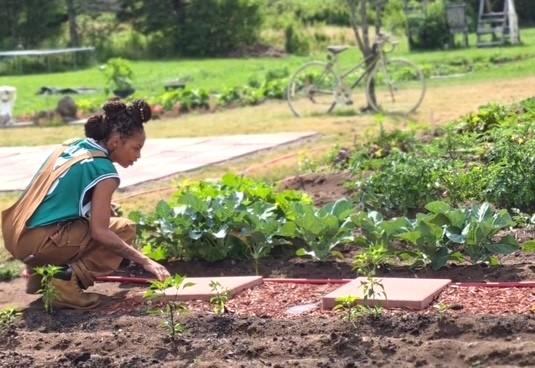
Strengthening generational ties and promoting food security are among the reasons why a Cumberland County-based youth wellness garden project proved successful in bringing community together.
The Amherst and Area Black Education Committee, in collaboration with the African Arts Education Society, launched a program this past summer called the Young Growers Collective with support from a $1,500 grant from the Springhill, Oxford, Amherst and Region Community Health Board.
Over eight weeks, about 15 children (between the ages of seven and 13) learned planting and agricultural skills while connecting with older adults who shared stories about the historic Black neighbourhood, once known as Sandhill.
The Young Growers Collective was born out of a desire to create a safe space for Black youth while teaching practical skills, said Lisette Sumbu, chairwoman of the Amherst and Area Black Education Committee.
“Honestly, it means everything to us,” Sumbu said of the concept. “The future is about these kids and making sure we can instill qualities and skills they can take with them for the rest of their lives. To have something like this - and the community support behind it - felt like it was meant to be.”
The garden, located along East Pleasant Street (close to a nursing home and local school), produced a bounty of carrots, tomatoes, cucumbers, kale, spinach, lavender, herbs and berries. While participants were encouraged to take produce home, surplus harvests were donated to local organizations such as the YMCA, a youth centre and a homeless shelter.
The community health board wellness grant helped cover the cost of seeds, garden supplies and harvesting equipment.
Community health board wellness funds support non-profit groups working to improve health in their communities. Among other things, grants go toward programs that promote food security, housing, transportation and social participation. The goal is to reduce risks of poor health outcomes in Nova Scotia communities.
High school students signed on to oversee small groups of children. The program ran mornings twice a week and included carpentry, painting and storytelling sessions alongside gardening.
“We wanted the kids to be excited to come and know they had some freedom while they were here,” Sumbu said. “Sometimes that meant stopping for soccer or journaling, but it kept them engaged and learning.”
Community partners played a key role in getting the project off the ground. The Association of Black Social Workers provided a substantial grant to start the garden, while the Town of Amherst partnered to supply water. Local businesses donated seeds, tools and supplies.
Sumbu, a ninth-generation resident of Amherst, said the intergenerational aspect was especially meaningful. Locals shared stories of the history of Sandhill, once a thriving Black community.
“It was important to connect the kids to their roots,” she said. “Having seniors tell stories about what this community was like decades ago gave them a sense of pride and belonging.”
The project also encouraged entrepreneurship. Children organized small sales of kale and other produce, raising money to re-invest in the garden.
Looking ahead, Sumbu said the committee hopes to expand the program into a day camp model, running five days a week and open to all families.
“People need to eat, and gardens bring people together,” Sumbu said. “We want this to be something that lasts for generations, a place where kids learn, families connect and the community thrives.”
Photo of the community health board-supported wellness garden in Amherst gets attention.