5 min read
Posted
Tuesday, September 23, 2025
at 8:00 AM ADT
Posted by
Categories
A new support group for suicide loss survivors is creating a safe, lasting space to grieve, heal, and connect — bolstered by funding that helps cover essential costs like meeting space, materials and facilitation.
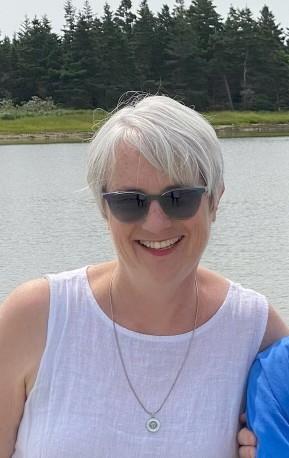
Founded by Natasha Brubaker, the Antigonish support group received more than $3,000 last year from the Antigonish Town and Country Community Health Board to offer the public monthly help sessions at St. Paul’s Anglican Church.
Brubaker, an Anglican priest, moved to Antigonish County in 2022 and began working with the local Three Harbours parish soon after. Within a year, the support group began hosting meetings at St. Paul’s and has been running regularly since then.
Within a matter of months of moving to the community, she learned of the suicide deaths of two young local men. They weren’t directly connected to her parish but word got to her through church members. Brubaker wondered how much support was available in the community for those grieving a suicide loss.
Unfortunately, she had a close link to the topic: Brubaker lost her mother to suicide. “The question felt personal and urgent,” she explained. Plus, she figured, there were people grieving other past tragedies who may not have received support.
Years ago, while working in a parish in another province, she started a support group with the help of a licensed counselor. In Nova Scotia, she made several calls and managed to connect with Marie Meagher, a retired social worker.
“Grief after suicide has its own contours,” Brubaker explained. “It’s a traumatic loss, often complicated, and it requires special care and a safe, intentional space with people who understand its dynamics.”
Soon, the two-hour sessions focused mostly on open conversation and giving people space to say whatever they needed. Also, the meetings included content about how grief works, especially complicated and traumatic grief. “The goal is to help people understand they’re not losing their minds, that what they’re experiencing is normal and that they’re not alone,” Brubaker added.
Brubaker has since stepped away from the program, passing the reins onto new help who’re continuing the valuable work.
Since regular sessions began in 2022, attendance has varied; some meetings were sparse while others had 18 people show up. The numbers weren’t vital to Brubaker; it’s a drop-in style program – not registration or a set number of weeks.
The monthly sessions have structure: there’s a small candle-lighting ritual to open the space, then a check-in to gauge how people were doing that day, that week or over the past month. A topic gets introduced, usually focused on what may have been broached by the group in a previous session, but the bulk of the time is left open for people to respond and talk.
Participants are encouraged to speak from “I” statements, not to give advice but rather share what helped, don’t interrupt or monopolize, respect others and support one another.
“People come when they need to, as often or as rarely as they like. If someone hasn’t been in six months but finds a particular time especially hard - like a loved one’s birthday - they’re welcome to come,” Brubaker said. She previously co-facilitated the sessions with Meagher.
“That’s how we structured it: a hybrid of a safe space for sharing and a lightly guided program. Many people just need help understanding how grief works, especially the unique devastation of suicide loss,” she added.
“This isn’t meant to be a lifelong commitment. It’s a place for healing and support, helping people move forward. Grief doesn’t disappear, but our relationship to it can change. We want people to re-engage with life, find joy again, and live fully - without diminishing the reality of what they’ve endured.”
The community health board grant helped cover some supplies, photocopying, refreshments at meetings and offset a smidgen of the church’s utilities.
Someone within Brubaker’s circle alerted her to the wellness grants opportunity. “It was very much appreciated,” she said of the subsidy.
“For me, the biggest impact was knowing we could provide snacks and cover basic costs without asking people to pay out of pocket. Because let’s be honest, it’s hard right now. Money is tight for most of us.”
While Brubaker no longer has an active voice in the healing circle, she feels the program is in good hands. “Part of my role as clergy is helping others discover their gifts and how they can care for their neighbours,” she explained. “I try to cultivate that, create space for others to step in and then step back myself. So, I see the evolution of this group as a very good thing.”
Photo of Natasha Brubaker, who founded a support group for suicide loss survivors.