4 min read
Posted
Tuesday, October 28, 2025
at 11:35 AM ADT
Posted by
Categories
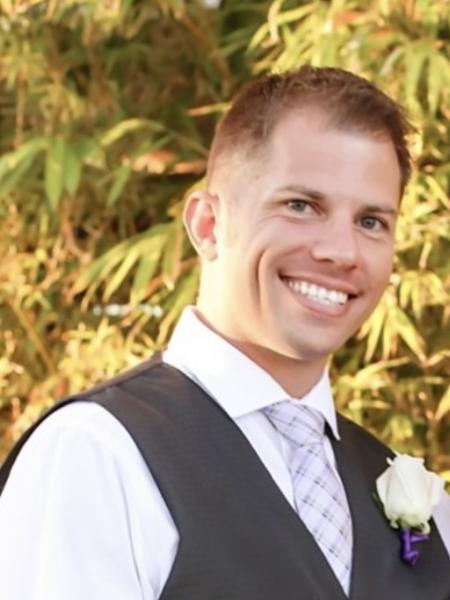
Chris McWilliam never expected to become a voice for mental health care, until crisis hit home.
When his husband faced a severe mental health episode, Chris, a seasoned occupational therapist, found himself on the other side of the clinic door.
A longtime occupational therapist working out of the Community Mental Health and Addictions Clinic in Dartmouth, Chris was thrust into an unfamiliar role in late 2013, supporting his husband.
Through this experience, he gained a deeper appreciation for families supporting loved ones with mental illness. He later adopted a stronger focus on family-centred care in his clinical practice.
“It totally changed our lives and it totally changed how I do my work. I learned more from that experience than I did from my schooling,” he said.
“I thought I had an understanding before until the experience with husband, which gave me a new found appreciation about what families do behind the scenes. Families enable us to gain a sense of what a person is doing or not doing day-to-day when we’re not in office with them.”
Chris works at the Dartmouth clinic four days and spends one day as an occupational therapy professional practice leader, highlighting the importance of family-centered care with clinicians.
He also facilitates a Families Matter in Mental Health program for families or friends providing support for someone with a mental illness. As well as Affected others.
“As long as a client agrees to have a family member involved in their care, the research shows that family-centred care is the best model to do that and people have better outcomes with their mental health when family is involved.”
Chris turned another horrifying experience into a lifelong passion for occupational therapy.
His mother suffered a brain aneurysm while he was in school working towards a degree in kinesiology and it was while watching her go through her recovery that he gained an appreciation for occupational therapy.
“Seeing what the occupational therapist was doing with her to get her back on her feet inspired me,” he recalled.
“They did such a broad range of things with her, but in particular they mainly focused on building her skills again after her brain aneurysm to get back to how she was living before.”
Upon graduating in kinesiology, Chris went back to school, earning a degree in occupational therapy from Dalhousie in 2007.
It was through an international placement in Stockholm, Sweden that he decided his skills were best suited in a mental health setting, having worked with patients living with a mental illness.
“I really connected with it – I enjoyed having conversations with them, hearing their stories and then getting them to be able to do things that they didn’t think they could do.”
He sees how occupational therapy is helping people living with a mental illness through his own practice and from his colleagues.
“I view [occupational therapy] as helping to get someone back to what they want, need, or have to do, while living with a mental illness. I’ve always been interested in the psychotherapy aspect of it, so I’ve really gone down that stream mostly, doing cognitive behaviour therapy, in particular.”
Photo of Chris McWilliam.